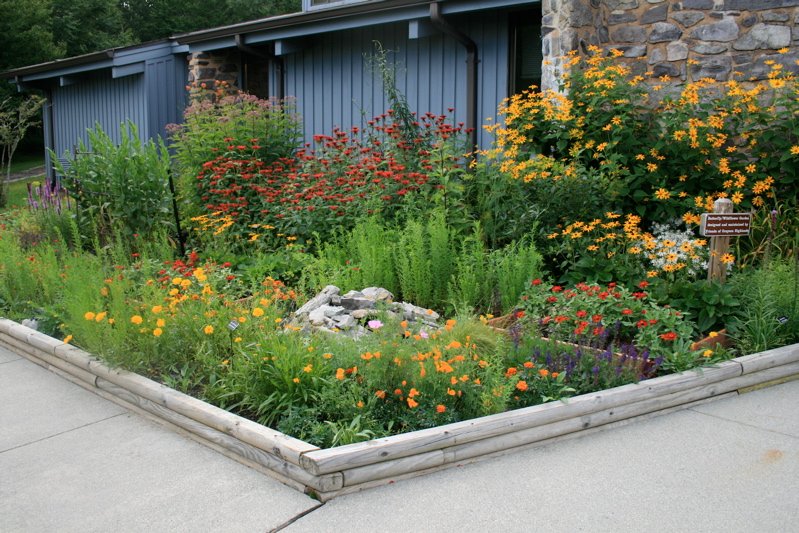
While there are two ways to combat plant death-by-dehydration, it is probably too late for many in the U.S. Southwest, especially Arizona and Nevada, after a weeklong stint of record setting heat. (For those of you outside of the SW, there were high temperatures of 110-120F (43-48 celsius) for 8 days in a row and it continues.)
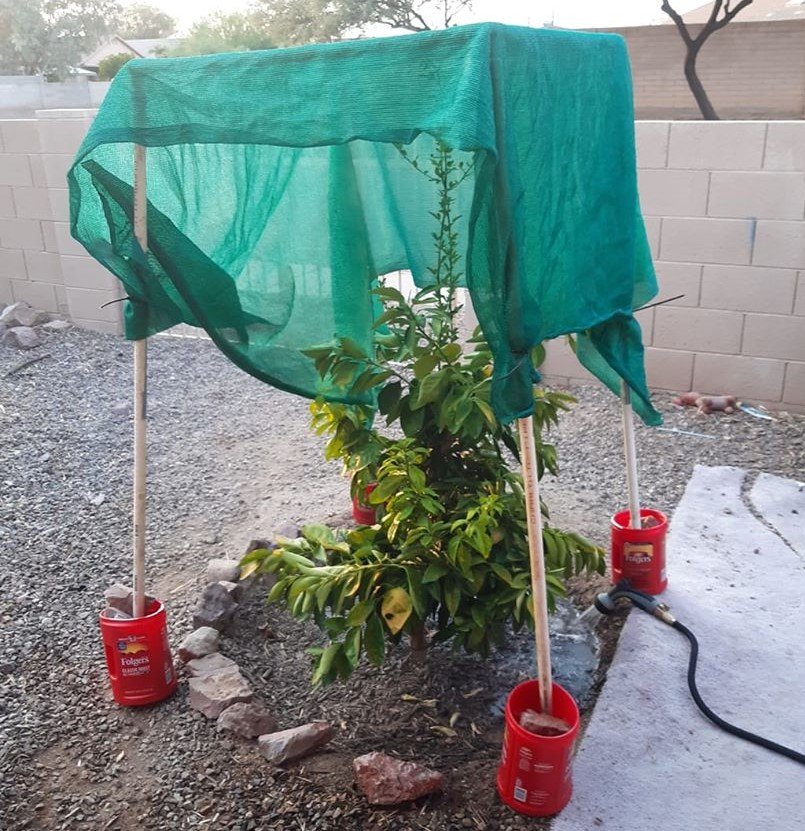
If you still have hopes for some plants in your garden you can do this: 1. Deep water plants more frequently than usual. 2. Hang shade cloth over your plants.
Realistically, however, dead plants — especially vegetables that were planted not long ago–are the new normal in Southwest gardens.
So what comes next?
For starters you can add those dead plants to your compost pile, so all is not wasted! And do not regularly fertilize any plants during summer months in desert climates. Even sturdy native plants are simply hunkering down and trying to survive until cooler weather arrives. Give them water, and in late summer, a tiny taste of fertilizer–that’s all.
Replanting right away is, obviously, not a good idea. Many gardeners now seem to be considering planting only natives when they replace what they lost this summer, but wisely they are waiting until Fall.
I’m thinking about pots on my patio overflowing with non-native Lantana (L. montevidensis) which seems to be able to survive almost anything and continue to flower.
Adios tomatoes and peppers
My vegetable growing experiment of this year will not be repeated. It has become a once-in-a-lifetime experience. I can buy organic veggies and support organic farmers while I eat healthy.
While I have stopped wasting water trying to help my sunflowers, tomatoes and peppers survive, I am still trying to help birds and other wildlife stay alive. I’d suggest that you do this, too.
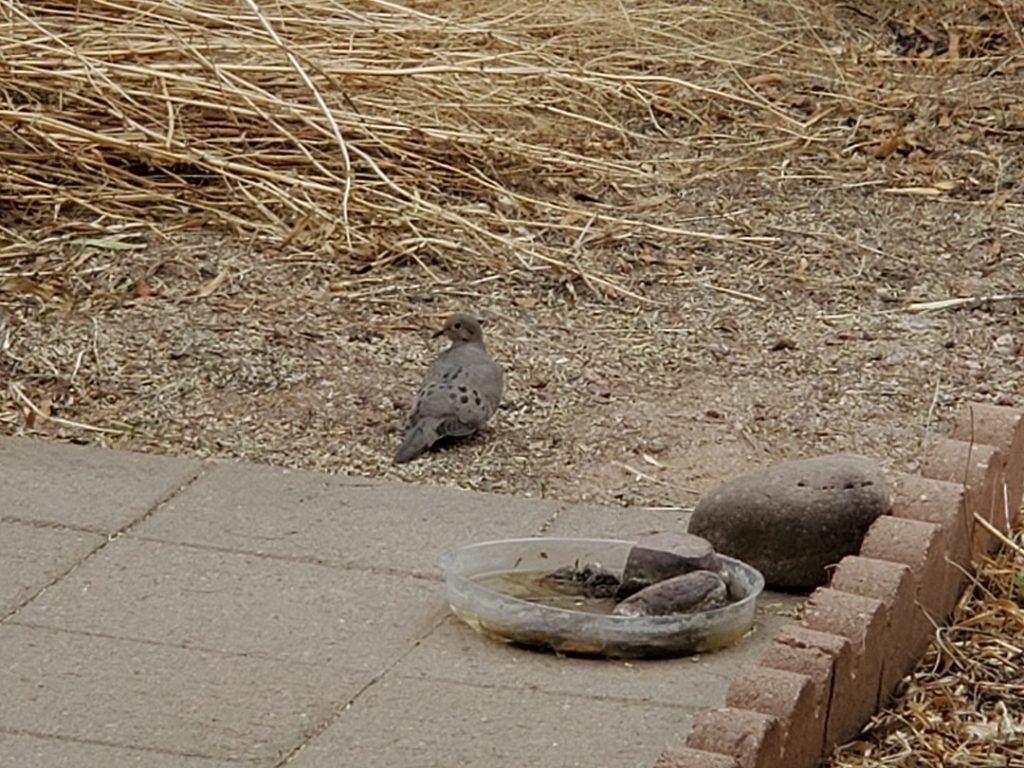
Set out a shallow plant saucer filled with water and refill at least once a day. It can be a lifesaver for birds, insects and other creatures suffering from the intense heat and scarcity of water.
I’m not sure which creatures drink from this water source on my patio, but at least this Mourning dove has. You could also set up a trail camera to learn which wildlife comes to visit your garden.
Turning your garden into a kind of wildlife preserve may be the best use of that space as climate change brings hotter and dryer conditions. This extreme heat may not be the last.
*shriek!* Some postings on social media gardening sites drive me crazy!
I just read a post on a Facebook gardening group from a newbie who has planted a big green lawn next to his new home in Arizona. It was, he said, like the one he had Back East. He proudly included photos and thanked other members of the group for all the advice they gave to him. He “couldn’t have done it without them”.
What??!!?
I wonder who told him that a grassy green British lawn was a good idea in a hot, dry climate? That it was a good idea in a land where water has to be imported hundreds of miles across a desert so he can turn a faucet and spill that water on to desert soil where it soaks in an inch or two and/or evaporates almost instantly.
Blame those green lawns on the Brits
Yes. Neatly trimmed green lawns originated in the rainy, damp British Isles. They are not common around private homes in Spain or Italy or Germany or elsewhere in the E.U. or most of the world. And even in the U.K. lawns are a relatively recent innovation that had something to do with wealthy landowners raising sheep or impressing the neighbors or something. Sadly, the lawn idea took hold and jumped across the Atlantic where it spread across the continent–even into Southwest desert communities.
American home builders also are to blame for the U.S. lawn obsession because they planted lawns in massive housing developments particularly after WWII because turf grass in the front yard is easy, cheap and fast landscaping.
Serious drought…really serious
I wonder if that newbie lawn guy, and other well-meaning, but poorly informed, participants in that group, realize how serious the drought conditions are in the U.S. Southwest as the U.S. Drought Monitor shows.
And how fast water tables in towns across the Southwest are falling as local water districts–the ones not relying on Colorado River water–pump more and more local ground water to new housing developments where new homeowners are planting wasteful lawns.
And I wonder if they realize that ground water isn’t being replaced in reservoirs and rivers with rain falling from the sky. The soil just gets drier and drier. The local wells have to go deeper and deeper. And choosing to plant a lawn becomes more and more absurd.
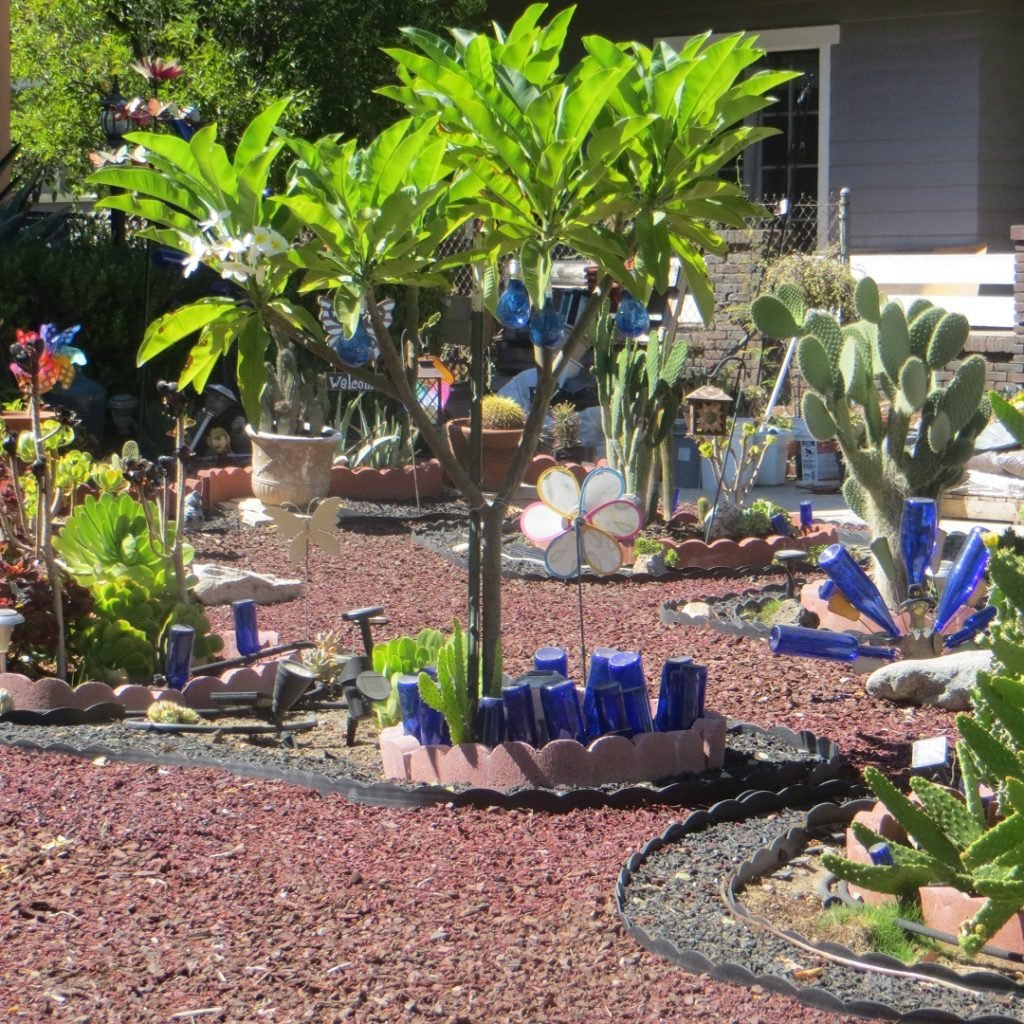
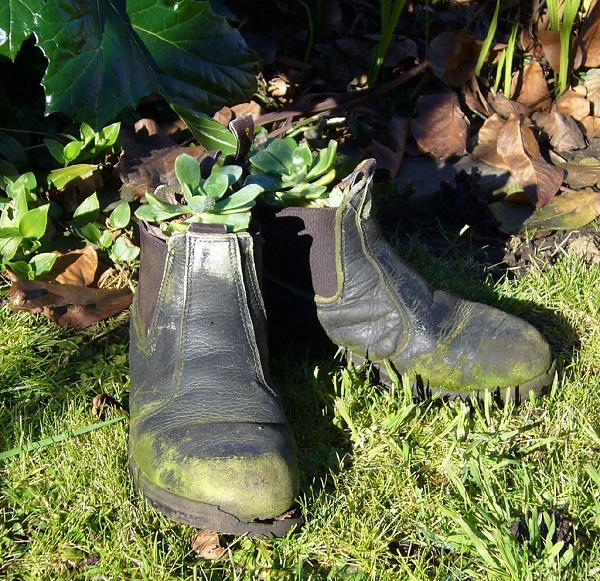
One woman in Pasadena CA pulled out her front lawn and turned it into an astonishing and somewhat bizarre front garden complete with blue bottles and plastic ornaments. This is the strangest lawn replacement I’ve seen. But to each, her/his own!
Local government officials are trying to handle current and future water usage. Efforts to slow down and re-allocate usage of water imported from the Colorado River show up in things like golf courses closing or being converted to dry landscaping and towns passing laws to ban lawns in front yards.
But there are other choices.
Before I show you some attractive lawn-free gardens for hot dry climates I’d like to suggest that if your heart is really set on the look of a lawn consider planting Buffalo Grass (Buchloe dactyloides) an Arizona native grass that many are planting as turf. Originally known as the grass that American buffaloes (bisons) grazed on, it grows green in summer, dies back to brown in the Fall and needs no irrigation and almost no mowing after it is established. [Note: This is not the invasive Buffelgrass (Pennisetum ciliare), an African native that is overwhelming plants in the Sonoran Desert. ]
Beautiful replacements for grassy lawns
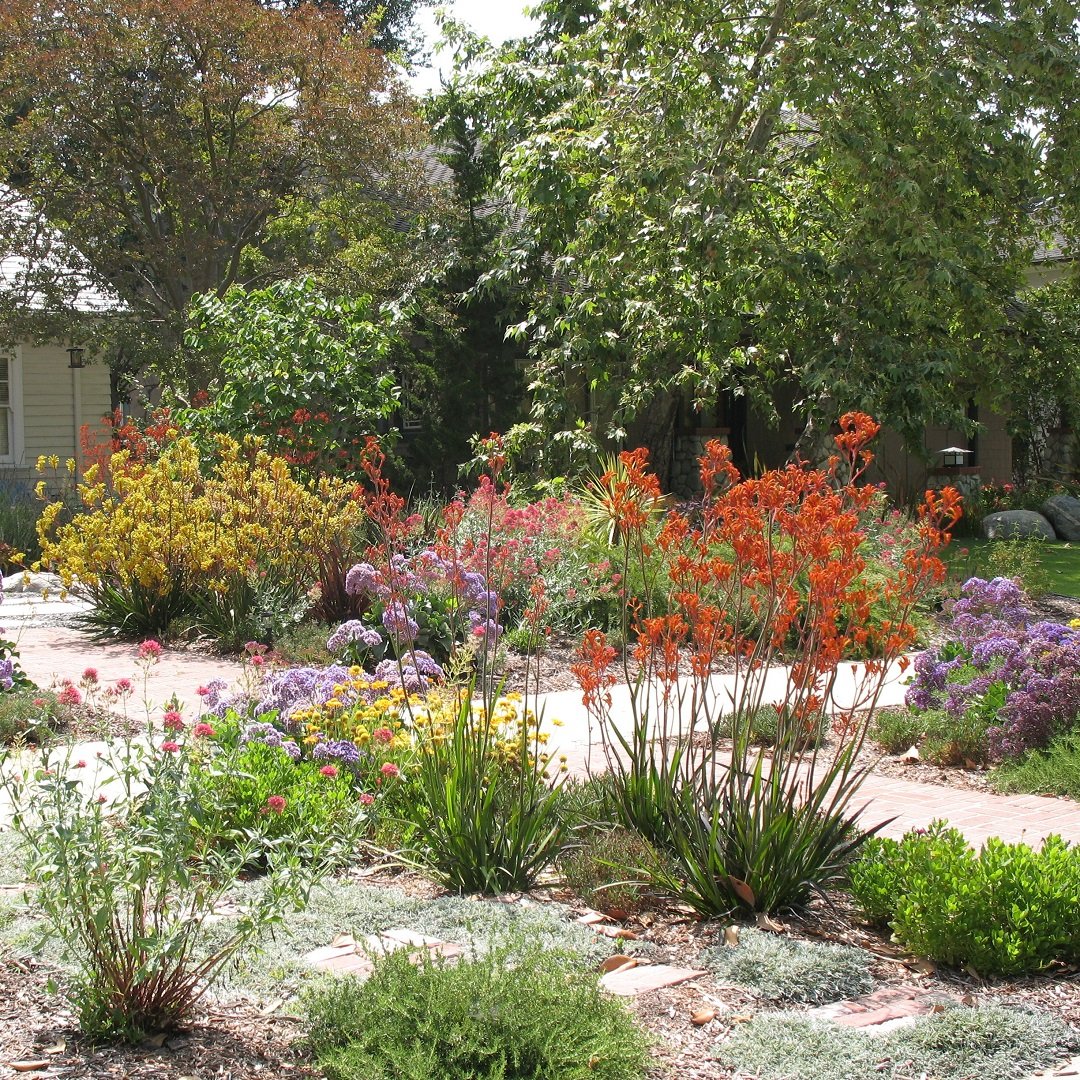
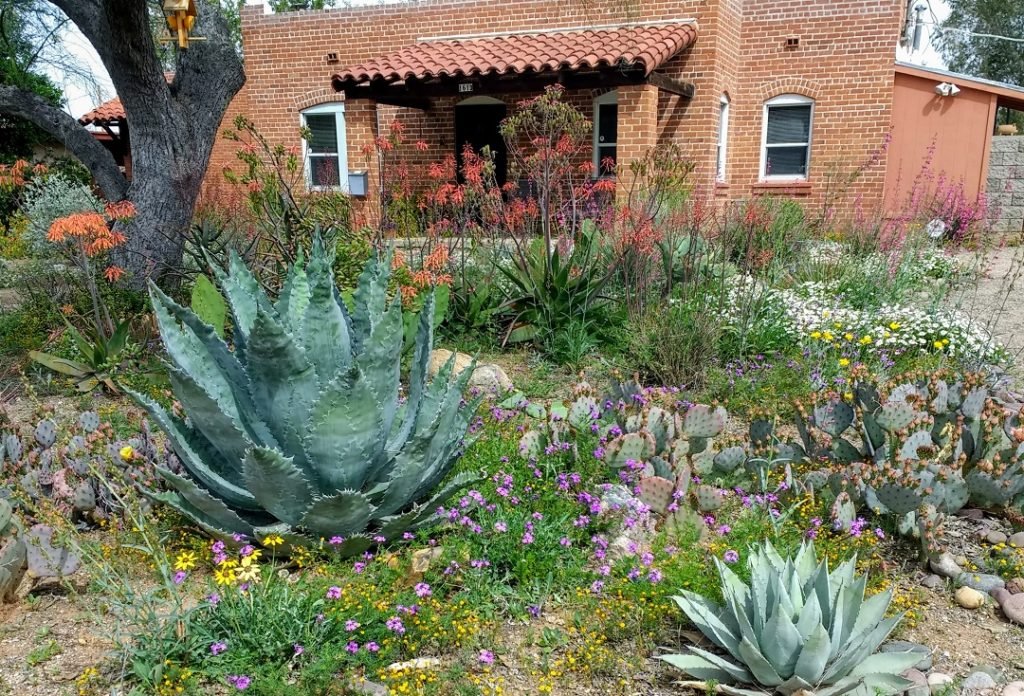
So here are a few examples of front yards that are lawn-free.
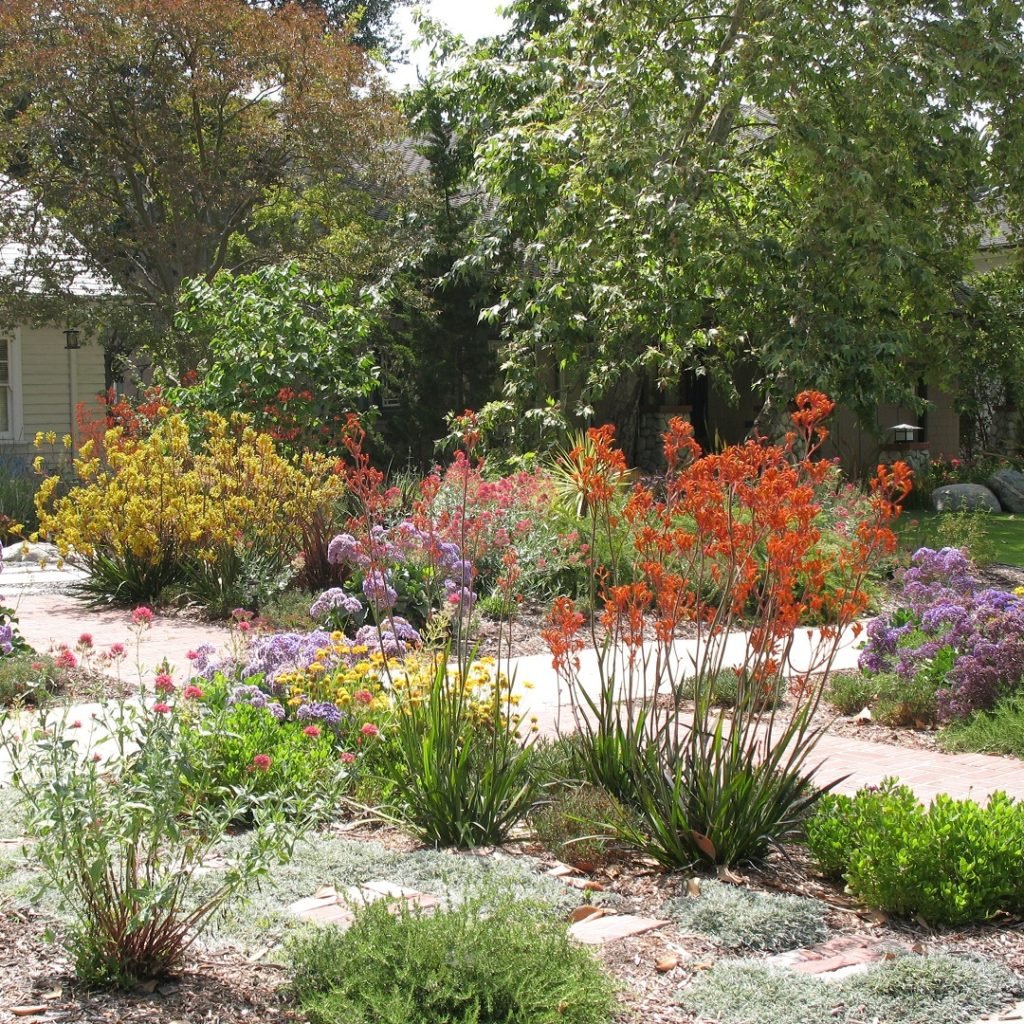
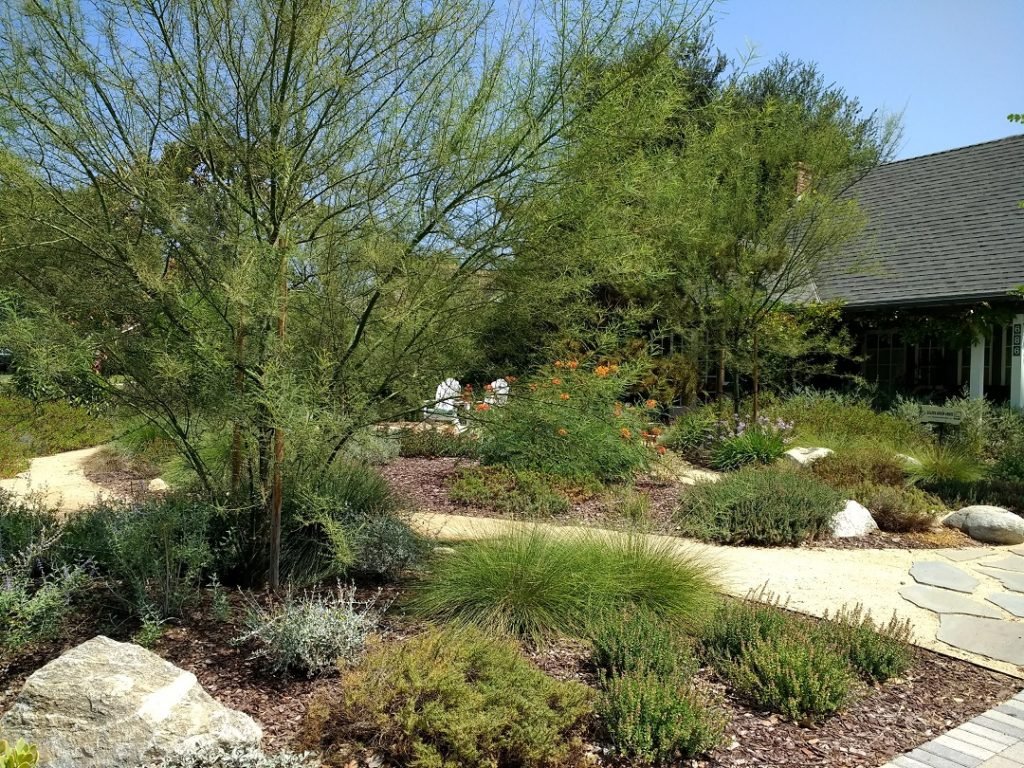
A front yard filled with blooming perennials includingkangaroo paw, sea lavender, rosemary and flat grey dymondia groundcover. This garden is located in Pasadena which gets about 17 inches of rain each year.
A desert-style garden in Springtime when the aloes and other plants are in bloom. This garden is located in Tucson which receives about 12 inches of rainfall a year.
These homeowners added berms, small “hills”, to their previously flat front lawn and planted drought-tolerant shrubs and trees that need almost no maintenance. Goodbye lawnmower! Berms need to be carefully designed to channel rainfall away from the house foundation.
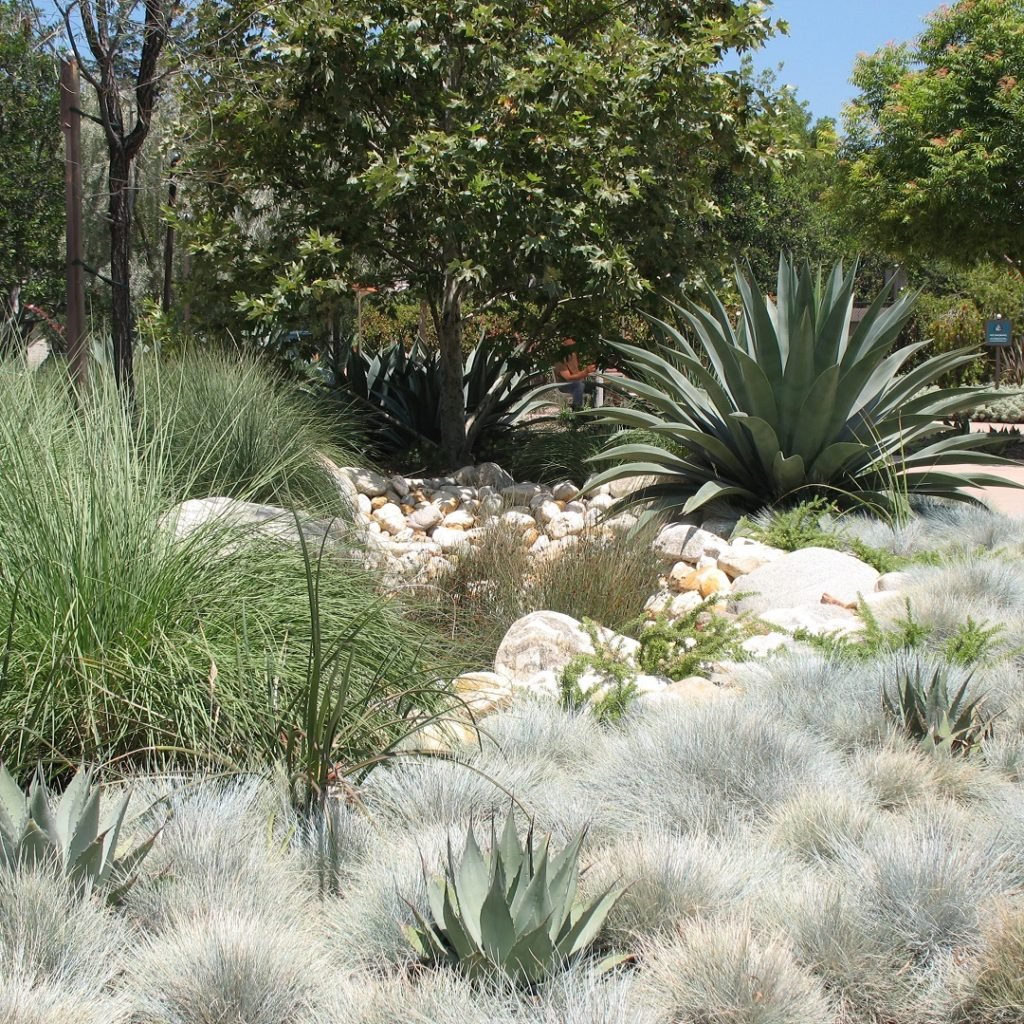
This landscaped garden includes a dry creek bed as an ornamental feature surrounded by agaves and blue-gray fescue grass and taller green deer grass. As with adding berms in a garden, adding a dry creek bed has potential problems. Dry creek beds are not always dry and should be designed so rain water flows away from a home’s foundation.
I think of this front yard with its large decomposed granite space as a Mexican Garden because it reminds me of plazas and courtyards I’ve seen in Mexico. The “bare ground” decomposed granite suppresses weeds and is surrounded by drought tolerant plants that bloom seasonally. Zero maintenance and it requires only the water from the sky.
I was also going to write about silly social media posts praising decorative backyard ponds, but I have ranted enough for today. Those weird backyard ponds are as wasteful as grassy green front lawns in hot dry climates. If you have one, convert it to a flower fountain with plants on each level.
A postscript: there are now over 6,000 Little Free Plant Stands in Arizona! Vastly more than when I wrote about them back in March.
Many of you may have heard, seen–or even used–the Little Free Libraries. They are those small boxes erected in front of homes where neighborhood people deposit books to be given away for free to anyone who wants a book.
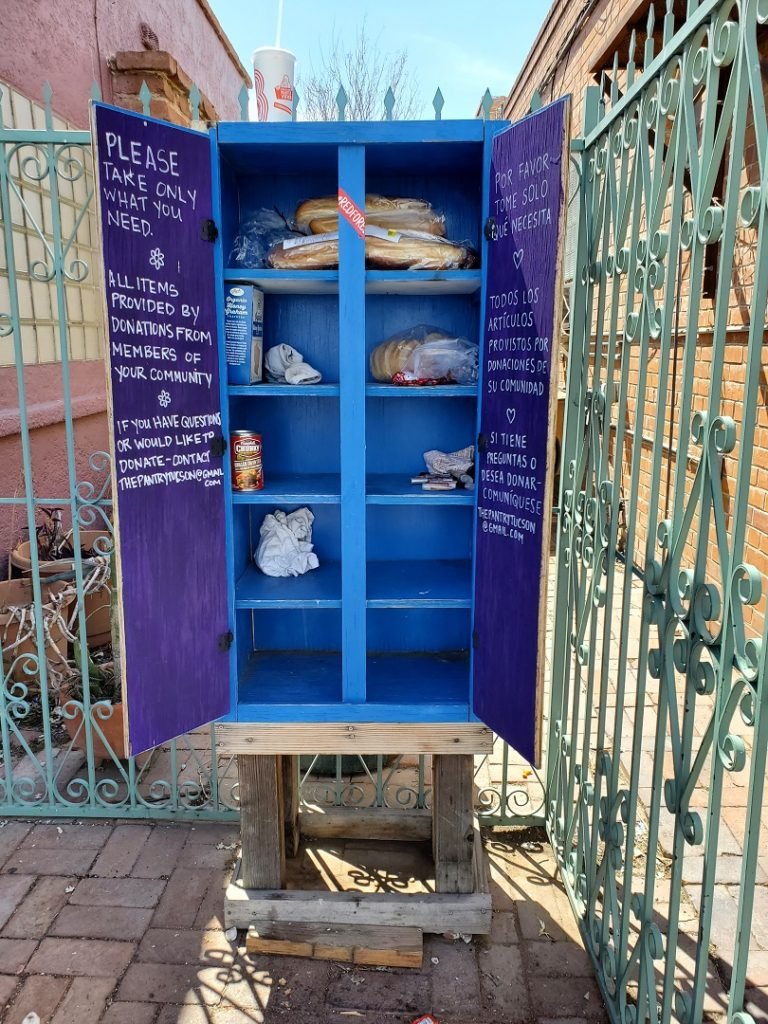
Then, recently I saw some Little Free Pantries. It’s a similar concept where non-perishable food is kept in a small box posted in front of a home or business or community center for anyone to take for free. (Here is a link to the post I wrote about little free pantries in Tucson.) Which bring this to the Little Free Plant Stands…
Swap your plants at a Little Free Garden Stand
This concept of hyper-local donation “boxes” has now extended to Little Free Plant Stands. It’s like a public neighborhood plant swap that operates by itself unattended. It’s an ideal way to freely exchange plants, etc. while maintaining social distancing.
As far as I know this movement does not have a national organization, unlike the Free Libraries or Free Pantries. I like that! It’s a purely spontaneous local activity by neighborhood gardeners and it seems to be proliferating like wild.
How to set up your own free plant stand
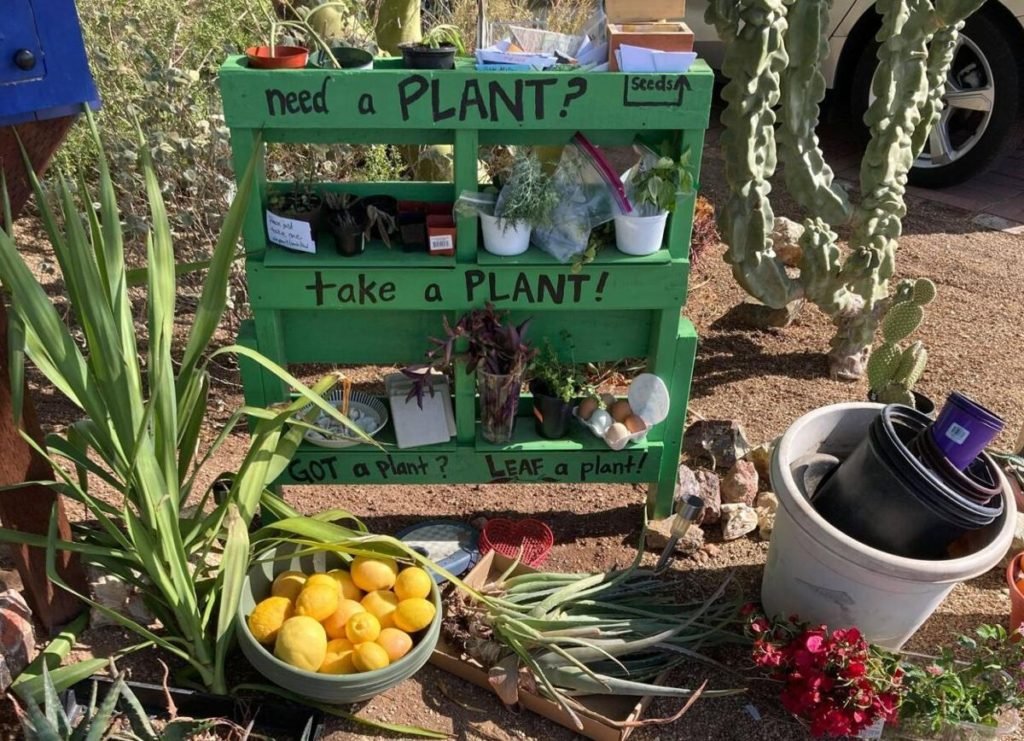
If you plan to set up one of these, you will probably need to “prime the pump”, so to speak, by placing plants, cuttings, seeds, old worn pots, gardening books or tools–whatever you have to spare–on the shelves of a little stand like this green one. This green “stand” is clearly home made and very charming. This generous gardener in Phoenix even added a bowl of freshly harvested lemons.
Photographer Danica Tuxbury retains all copyrights.
A plant stand doesn’t have to be elaborate. I saw another plant stand that was simply concrete blocks with painted boards laid across them–like a bookshelf, but filled with small plants and old pots. Definitely fast and easy to assemble.
If this inspires you to set up a stand similar to this, check out the growing number of Facebook groups in the categories of “Little Free Plant Stand” and “Little Free Garden Stand” for ideas and suggestions. You may even find some near you. But if you don’t, you can easily set up a FB group for your town or neighborhood to spread the word about your Little Free Plant Stand and to encourage other nearby gardeners to get involved.
Be mindful that your city or Homeowner’s Association may have rules about stacking stuff in front of your home. And it may turn out that you have more takers than givers and everything could be gone overnight.
One solution may be using “drinks cart” or tea cart with wheels that can be rolled out in front of a home during the day and back inside at sunset.
Visit my author’s site to see books I’ve published. All are now on Kindle Unlimited.
Free Flower pots
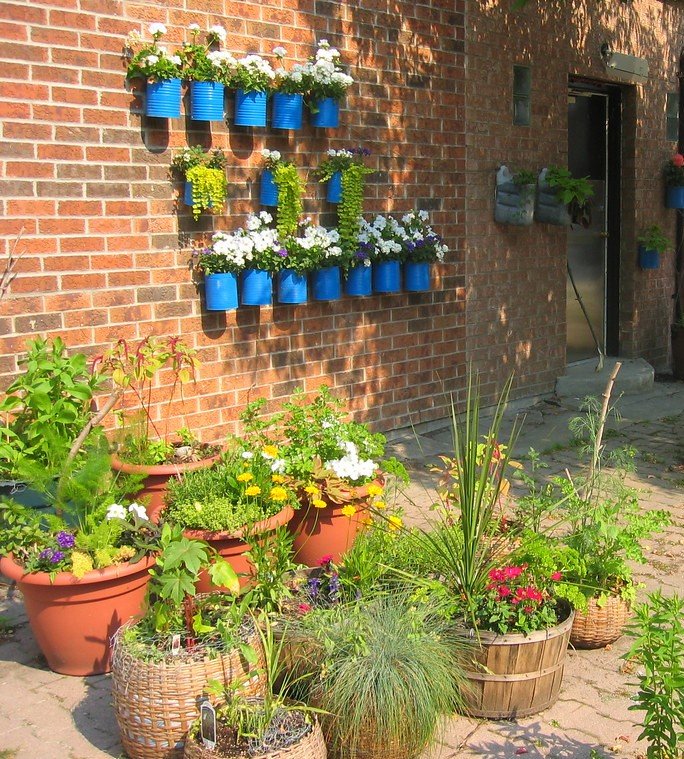
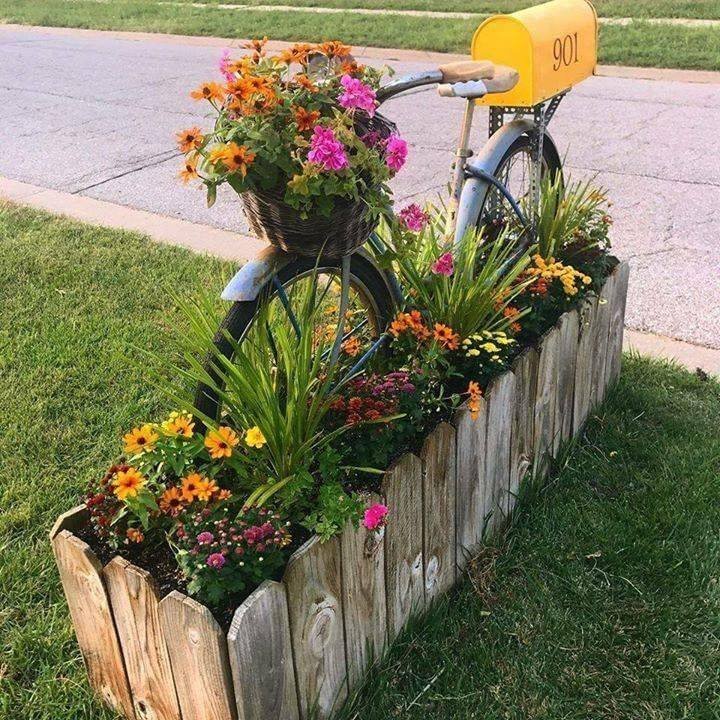
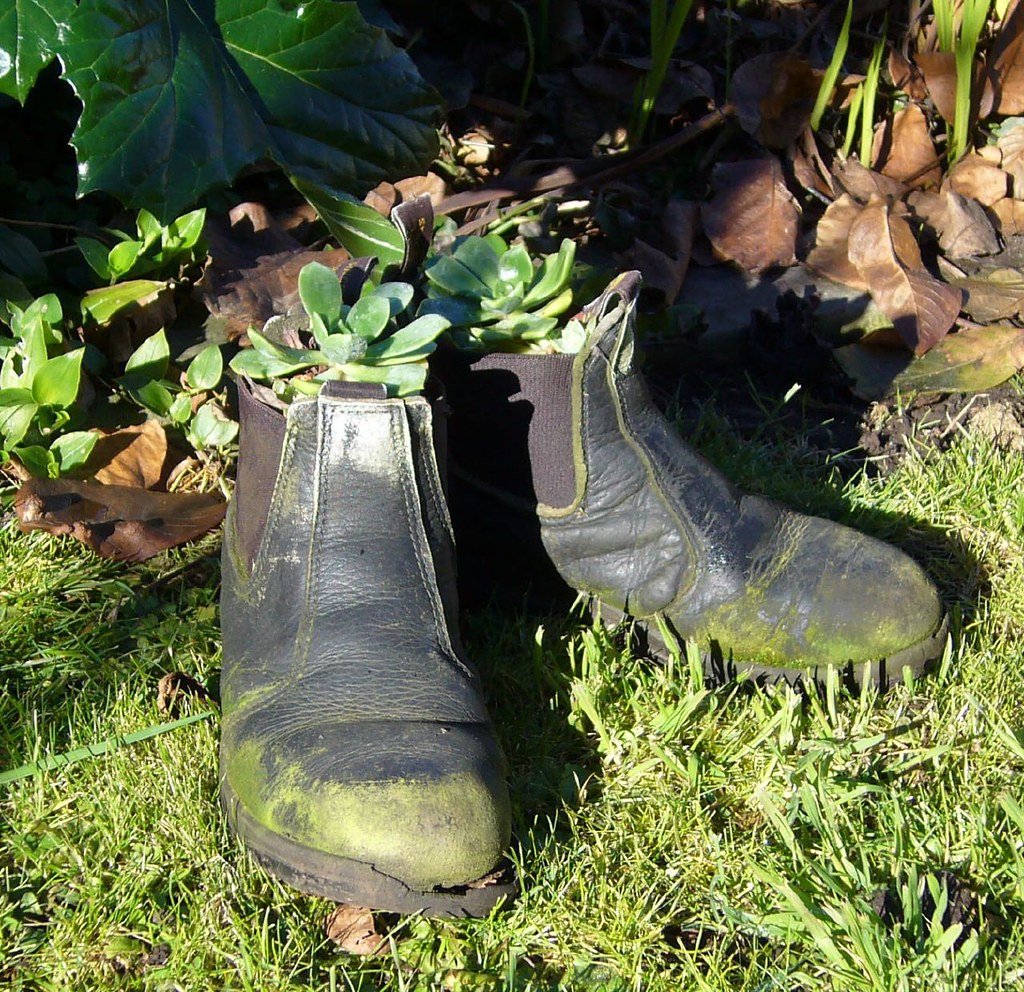
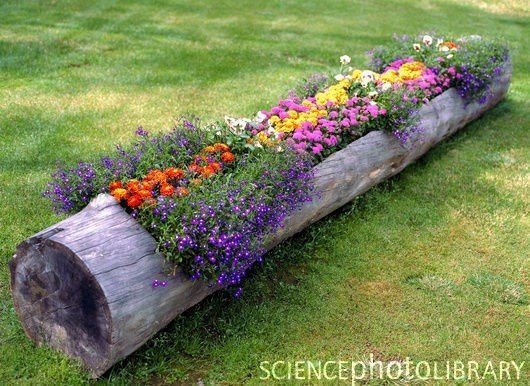
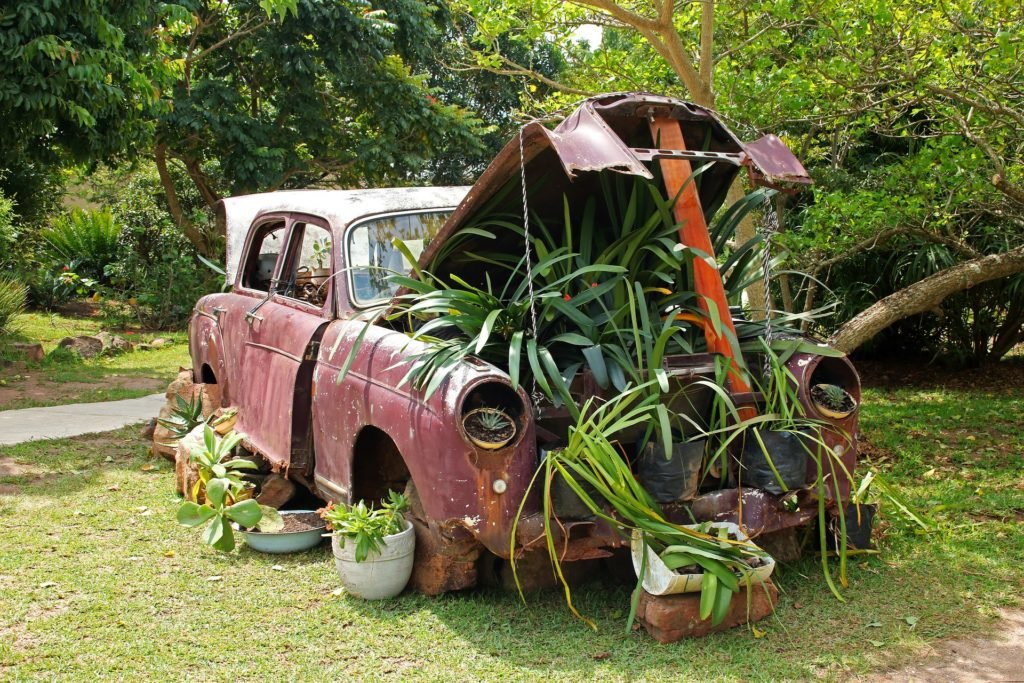
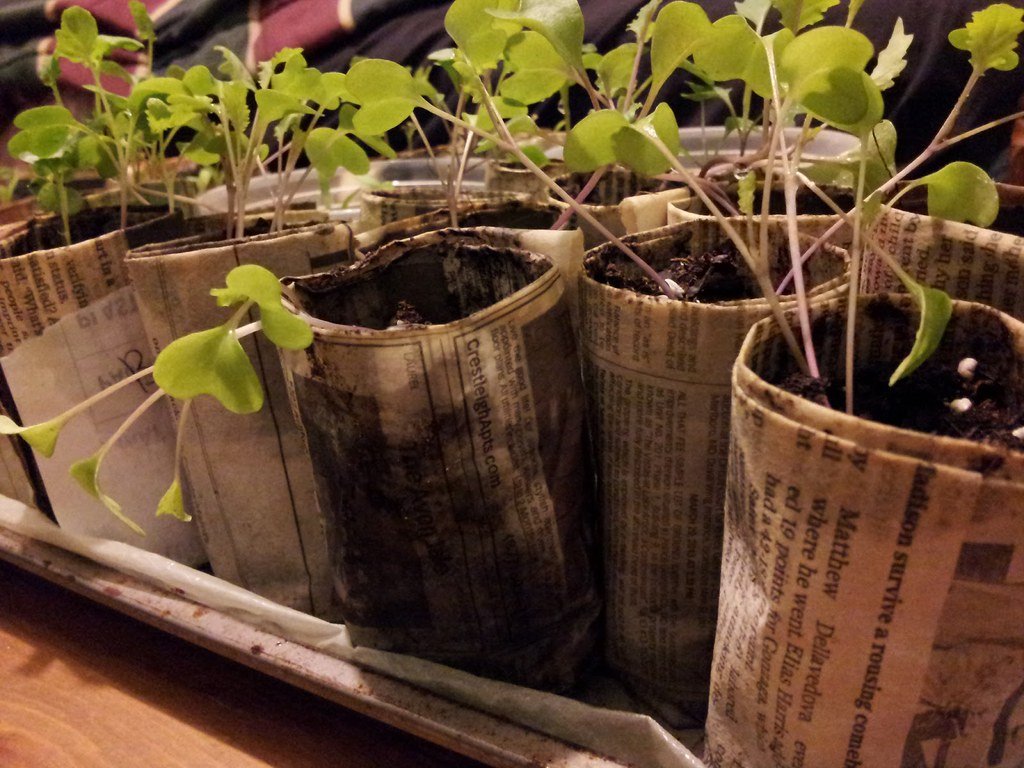
Keeping with the idea of free stuff for your garden this Spring, take a look at these “flower pots”–every one a conversion of an old object into a useful plant container instead of being tossed in the garbage. I especially like the last one in this slide show where all you need is a newspaper and some folding skills!
While you are out in the garden take a good look at your patio furniture. If it is looking drab or sun-bleached, you can revitalize old furniture–even those cheap and oh-so-useful plastic chairs–and refresh your outdoor living space for the cost of a can or two of spray paint.
Next, make this year the one you string white Christmas tree lights on the inside of your patio table umbrella to let you enjoy outdoor dining later into the night. Come July you will love it!
(This post was originally written about winter rains, but is now even more applicable for desert gardens in the summer of 2023.)
Rain has finally arrived in the American Southwest. After an almost rainless summer which made our serious drought even worse, storms are now arriving one after another from both north and south Pacific. So now is the time to capture that rain water.
Use one or more of the following methods to keep water in your garden by encouraging it to stay on your property for future use or percolate down into the soil now rather than run off into the street.
Build basins
The simplest way to capture rainfall for the plants in your garden is to dig shallow circular trenches or basins around your trees and shrubs. The basin edge should be 3 feet or more from the tree trunk and not very deep. Creating a basin all the way out to the tree canopy’s edge is ideal. An inch or two depth will create a basin to hold a good amount of water while it sinks into the earth.
Be careful not to damage the root crown at the base of the trunk. In fact, the basin shouldn’t start right at the trunk of the tree. You want to water to go to the smaller roots further out.
While most flower beds are mounded — hopefully because you add a thick layer of organic mulch twice a year — you may want to consider digging small basins in the center of the beds to capture as much rain as possible. Again, be careful not to damage the roots of your plants.
If you plant in raised boxes, I hope you have good drainage on the bottom or during a heavy downpour your planter may flood and drown the plants.
Infiltration–high priced or on the cheap
Infiltration, in its expensive form, involves digging a sizeable pit on your property which will receive water from rain runoff from your roof. This means rain gutters and downspouts must be installed. The pit must be lined with a strong but permeable material and have an overflow to channel excess water safely away from your home. Water will seep from the pit into the surrounding soil, thus “irrigating from underground”. Consult a landscape architect or soils engineer if you plan to do this.
In the less expensive version of infiltration, dig or drill narrow, deep holes spaced apart in a circle around trees and shrubs. These holes will fill with rain which will then seep into the soil. To do this effectively, you may have to line the holes with strong but permeable material to help prevent the sides from collapsing into the holes while allowing water to escape into the root zone. Some people recommend using French drains, the drain pipes with holes, set vertically into the soil so they are mini-wells.
In the super-cheap version, really coarse gravel or small rocks may also keep the holes from collapsing. Deep watering like this will encourage trees and shrubs to grow deeper, stronger roots. And deeper roots mean more stability when winds howl across the landscape in Spring and Fall.
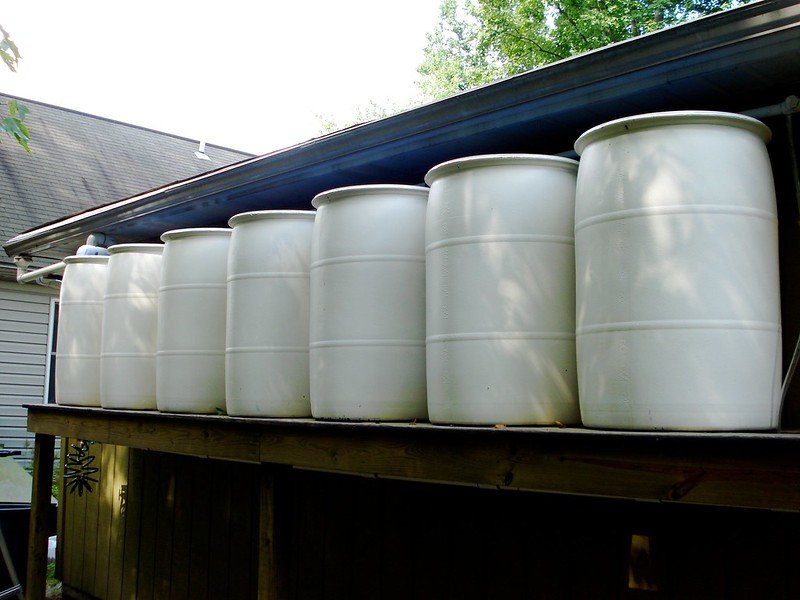
Add a cistern or rain barrel… or seven
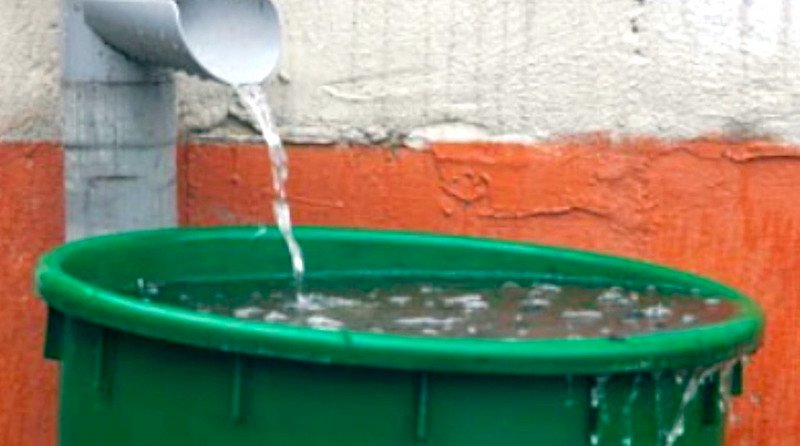
Our last suggestion is to add a cistern or rain barrel to capture rainfall which you can use later by pumping the water out for irrigation. Unlike infiltration which is designed to allow water to spread out underground during a rain storm, a cistern is supposed to hold water in the container, not diffuse it.
If you want to add an underground cistern–which is essentially a well filled with rainwater–you should consult with a landscape architect or soils engineer because there are certain critical engineering issues involved. The sides and bottom must be sealed to prevent water from escaping and the system must have an overflow drain. If water overflows in the wrong direction you may have serious and potentially expensive erosion problems.
On the other hand buying a big plastic barrel or one of the large above ground cisterns–prices start at about $100 and go up depending upon the size–can be a quick and easy method to store the rainfall from the downspouts on your roof until you use it later.
Are cisterns illegal?
In Colorado and Utah having a cistern on one’s own property to collect water used to be illegal. But no longer. Now Coloradans can have 2 rain barrels with a total capacity of 110 gallons of water for use on their own property. In Utah homeowners can save up to 2500 gallons in above or below ground cisterns to store water for use on the same property. In both these states, please check for specific local regulations.
Many other states, including Nevada and California, have regulations or are planning to enact them, about water harvesting and usage. California, for example, is encouraging water harvesting. To see if your state has regulations, go here.
For thousands of years frugal gardening was the only way to garden. Instead of buying starter plants at a local nursery or garden center, people planted seeds they had collected and saved during the previous harvest. Or swapped seeds and cuttings with friends and family. Or divided their own existing plants.
They didn’t buy mulch or composting equipment from those Big Box garden stores either. For century after century they created soil amendments themselves or did without. All gardening was do-it-yourself gardening.
This thrifty approach still works in the 21st century and may be more important than ever, especially for those of us whose gardens scorched right down to the bare earth during the relentless heat this summer. Replacing the plants that died as well as introducing new ones may be what you are facing this Fall. And the expense can be shocking. You may even have moments when you think: Buy groceries? Or buy for the garden?
So here is what to do to create a money-wise, water-wise garden this year.
Your Library is Your Frugal Gardening Friend
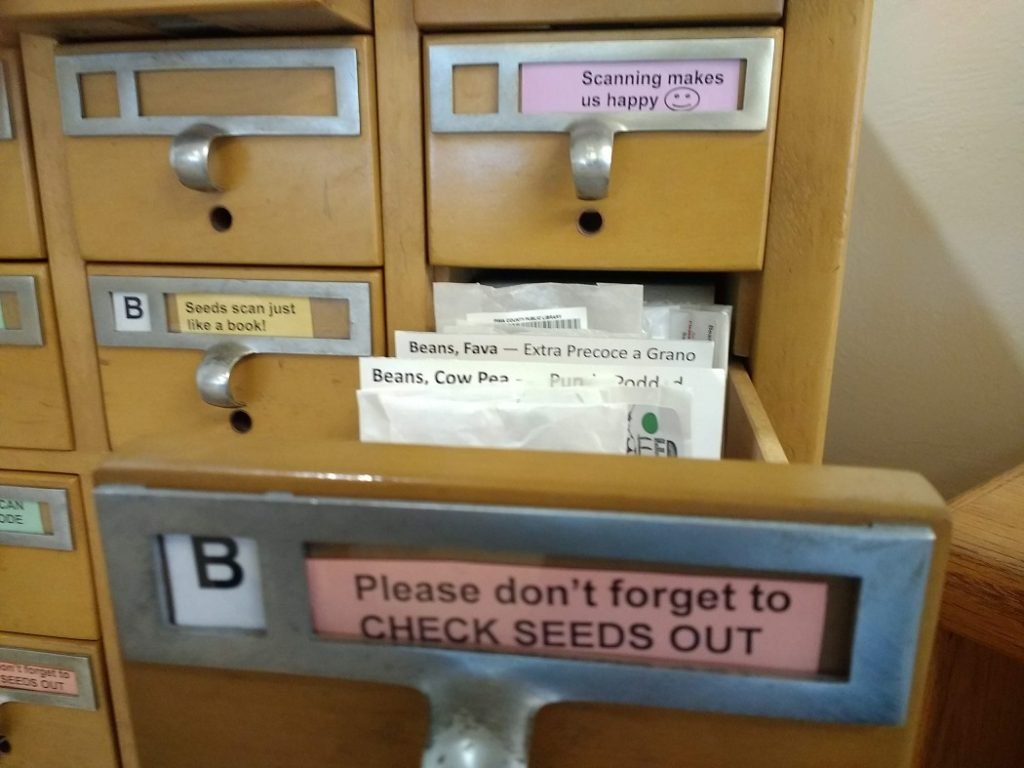
Hundreds of public libraries from coast to coast have turned their old card catalogs into bins containing packets of free herb and vegetable seeds. The seeds are most commonly collected locally and packaged in carefully labeled plastic bags by volunteer gardeners. Because the seeds come from their own gardens you know that they should thrive in your climate.
If your local library does not offer this service, ask them to start one of these “seed banks”. Master Gardeners or members of gardening clubs may be willing to help launch this free seed service.
There are also free seed swap services online. I haven’t used any of them, so I won’t make a specific website recommendation. If you use one, keep in mind that seeds that thrive in one location may not in another, for example, in a hot dry garden. It’s best to find local seed sources.
And DO NOT plant any seeds that come from China or other foreign countries. Don’t even put them in the garbage. Destroy them or turn them in to the US Dept. of Agriculture.
Multiply by Division
Plants that grow from bulbs, corms or rhizomes, which are basically fat roots, can be easily doubled or tripled by dividing them after they have finished their growth season. Note: In most U.S. Southwest climates, it is not necessary to dig up and store these over the winter. Leave them in ground year ’round unless your garden experiences hard freezes.
Among the easiest to multiply by dividing is the drought-tolerant Bearded Iris (Iridaceae). Every 3 or 4 years simply dig up the rhizomes, trim the leaves back to about 5 or 6 inches, then cut the rhizomes apart with a sharp, clean knife. Allow the rhizomes to dry for a couple of weeks, then shallowly replant in late September or October. Don’t wait until Spring.
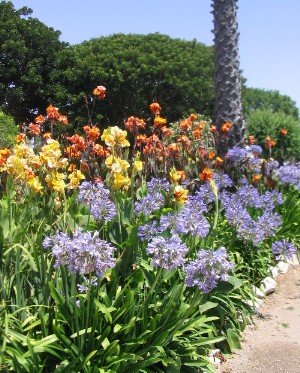
Canna Lilies and blue Lily-0f-the-Nile Agapanthus.
When you divide Canna Lilies (Canna indica) there’s no need to dry out the rhizomes for weeks before replanting, but do wait until it has stopped blooming and the leaves have died down before you dig it up. After you’ve cut the rhizomes into pieces each with a short length of stem attached, let them sit for one or two days. Once the raw cut side has scabbed over you can replant.
Daylilies (Homercallis) and Agapanthus also lend themselves to being divided. Again, dig them up, divide the large root ball clumps and replant. No long drying out period is required. You should do this every 3 to 5 years to encourage these plants to keep blooming beautifully. After replanting be sure to water them frequently until they are established.
Cutting it up
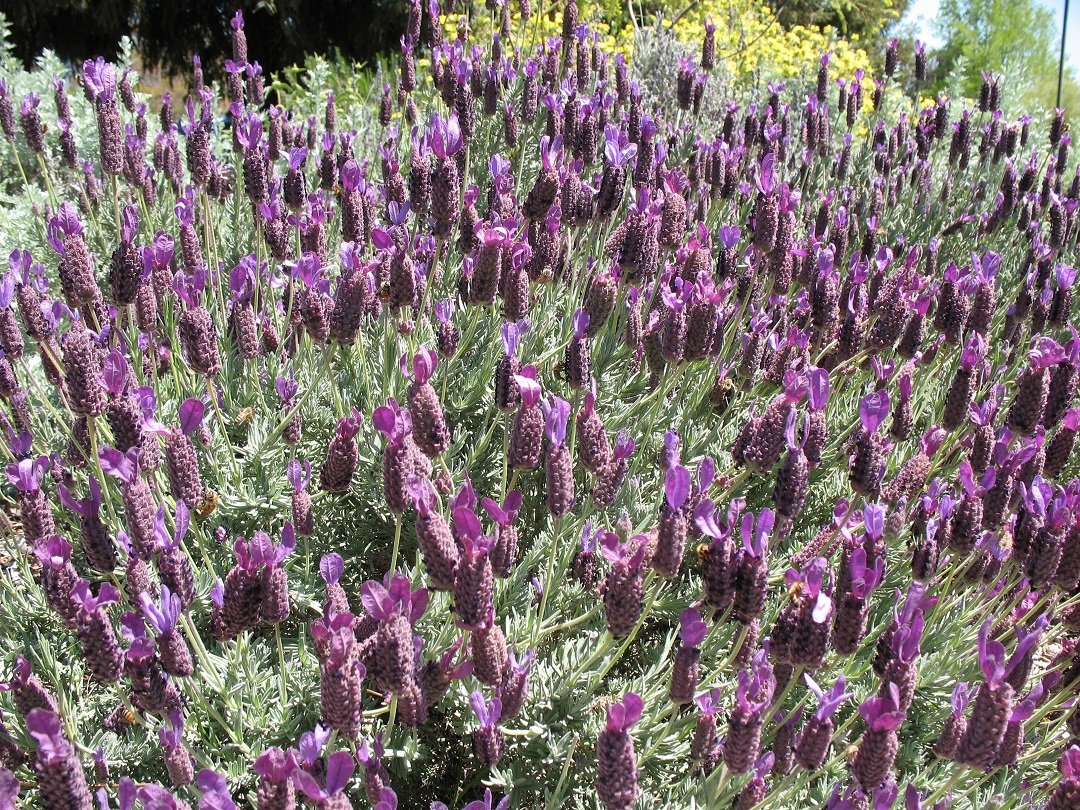
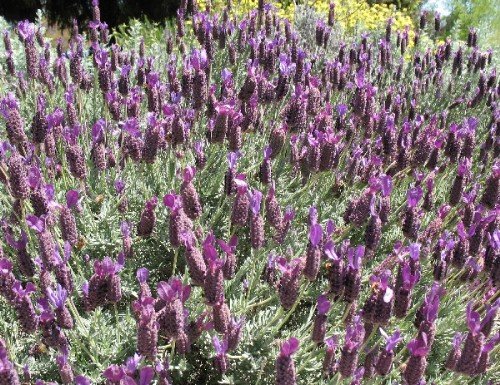
Take cuttings of your favorite lavender and replant. Bees will thank you!
You can multiply many shrubby perennial herbs, like salvias, rosemary, thyme, lavender, marjoram and oregano simply by taking a 4 to 8 inch long cutting of a stem with two to four leaves attached, then putting that stem in a pot of natural soil from your garden or use commercial potting soil mix. I prefer to mix native soil with potting mix. Take the cutting from fresh new growth for best results and keep the soil damp until ready to transplant into your garden.
You can also take cuttings from your favorite Geranium (Pelargonium) and simply stick them into a pot of soil or potting mix. Keep the soil damp and — voila — you will have vigorous new geraniums in bloom next summer.
Garden Shows mean big savings on uncommon plants
Because people who belong to specialty flower clubs and garden clubs usually cultivate rare and uncommon varieties of plants, at their plant sales you are likely to find unusual hybrids and colors to add variety to your garden.
Check out nearby botanical gardens, too. They often have ongoing plant sales to help support their operations.
Because of Covid-19, however, this is not a good year to hold a neighborhood plant swap in your front yard or driveway. Garden club sales and Botanical Garden events may also be cancelled because of the pandemic.
Not So Perennial
The short-lived Santolina (Santolina incana) with petunias in a flower border suitable for a hot, dry climate. The annual petunia will not last long in hot summer weather.
Now many of these plants are ones we think of as “perennials”, but perennials are not really perennial. They don’t last forever. Over a period of 4 to 10 years you may have to replace every perennial in your garden so DIY frugal gardening can be a real budget saver.
Some perennials don’t even last that long. One of our favorite plants for a perennial flower border in a hot dry garden is the Santolina. I love its brilliant yellow ball-like flowers but it rarely lasts more than 2 or 3 years and then must be replaced to remain beautiful.
And Finally: A Wake Up Call
And remember, it’s best to plant in Fall when the average daily temperature falls below 90F (32C). After all, that’s when Mother Nature plants her seeds. And plants that survived this summer’s blistering heat and have been in summer dormancy are now waking up and they are hungry. Feed them well in the next few weeks so they will be strong and not need replacing next year.
We use cookies on our website to give you the most relevant experience by remembering your preferences and repeat visits. By clicking “Accept”, you consent to the use of ALL the cookies.
This website uses cookies to improve your experience while you navigate through the website. Out of these cookies, the cookies that are categorized as necessary are stored on your browser as they are essential for the working of basic functionalities of the website. We also use third-party cookies that help us analyze and understand how you use this website. These cookies will be stored in your browser only with your consent. You also have the option to opt-out of these cookies. But opting out of some of these cookies may have an effect on your browsing experience.
Necessary cookies are absolutely essential for the website to function properly. This category only includes cookies that ensures basic functionalities and security features of the website. These cookies do not store any personal information.
Any cookies that may not be particularly necessary for the website to function and is used specifically to collect user personal data via analytics, ads, other embedded contents are termed as non-necessary cookies. It is mandatory to procure user consent prior to running these cookies on your website.