How to Help Hummingbirds Thrive in Your Garden

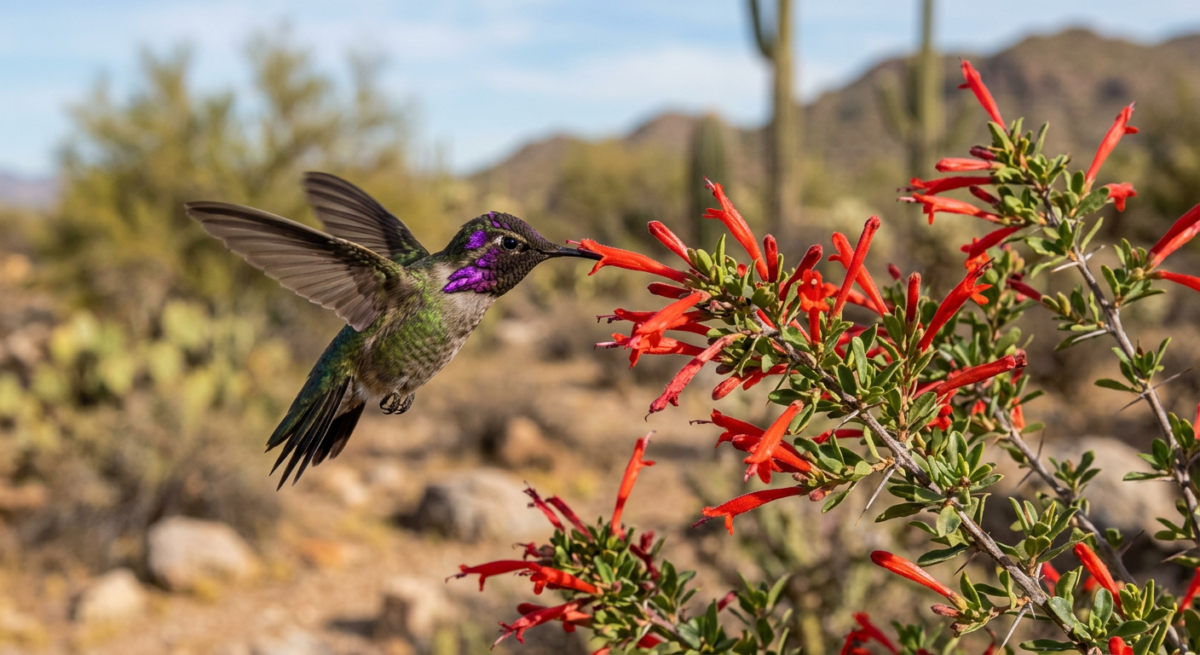
Hummingbirds, like the Costa’s hummingbird, above, are always welcomed in my desert garden. They dart from flower to flower, flashing brilliant, iridescent colors as they go—tiny, tireless pollinators that bring constant motion and life to the landscape.

Moving northward, but still here

Lately, however, their presence seems less frequent. Some experts suggest that shifting climate patterns are influencing birds’ home ranges as well as migration, with many species gradually moving north as temperatures rise. Still, hummingbirds have by no means disappeared from the Sonoran Desert. That realization inspired me to make my garden more supportive of their needs by incorporating drought-tolerant, nectar-rich plants that thrive in our arid climate.
If you’d like to attract hummingbirds to your own desert garden, consider adding the following plants.

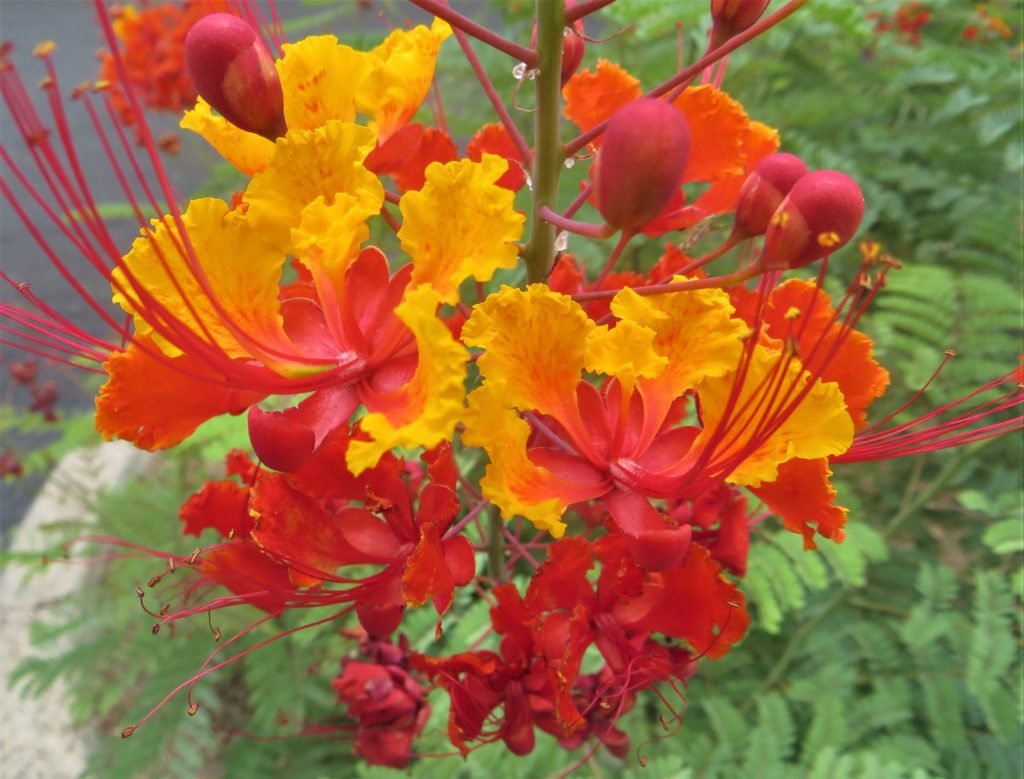
• Red Bird of Paradise (Caesalpinia pulcherrima)
A fast-growing, heat-loving shrub with bold, colorful flowers.

Mexican Bird of Paradise drought tolerant plant


• Hummingbird Trumpet
(Epilobium canum)
A classic choice, prized for its brilliant red blooms and strong appeal to hummingbirds.


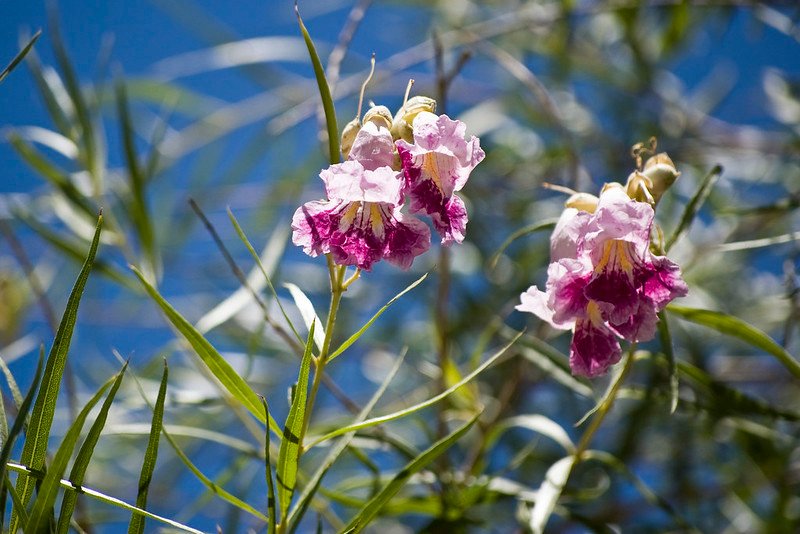
Desert Willow (Chilopsis linearis)
A small, graceful tree with trumpet-shaped, orchid-like blooms that appear from late spring through fall—an extended feeding season for hummingbirds.

Desert Willow Chilopsis linearis


Firecracker Penstemon (Penstemon eatonii)
One of the earliest bloomers, producing vivid red tubular flowers in spring when food sources can be scarce.


Autumn Sage (Salvia greggii)
A hardy, low-maintenance shrub that offers nectar-rich blooms from late spring well into fall. It looks somewhat similar to the Penstemon, above, but with a longer blooming period, it can feed hummingbirds through summer heat.


Great travels jobs for seniors ebook


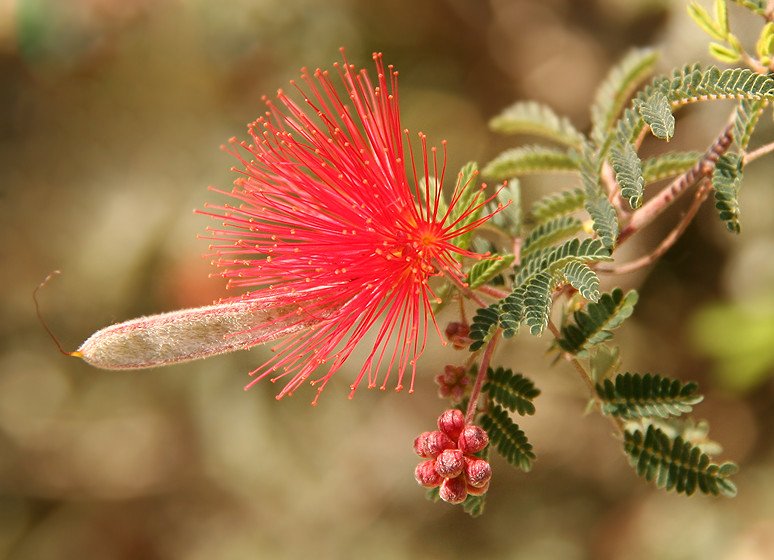
Baja Fairy Duster (Calliandra californica)
Known for its soft, brush-like red flowers that hummingbirds find irresistible, they are cousins to the sturdy, and much taller, red bottle brush.

Baja Fairy duster bloom


Ocotillo (Fouquieria splendens)
A striking desert plant with tall canes topped by clusters of bright red flowers in a very short-blooming season in spring. No photo necessary: it looks like a bunch of dry sticks pointing skyward most of the year.

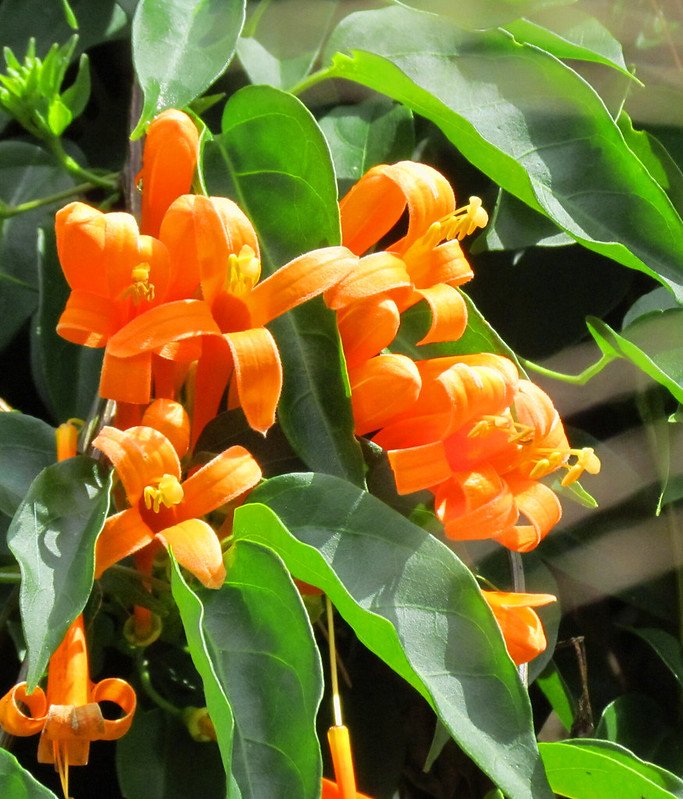
• Desert Honeysuckle (Justicia spicigera)
A dependable shrub, below, with vibrant orange tubular blooms that hummingbirds frequent.

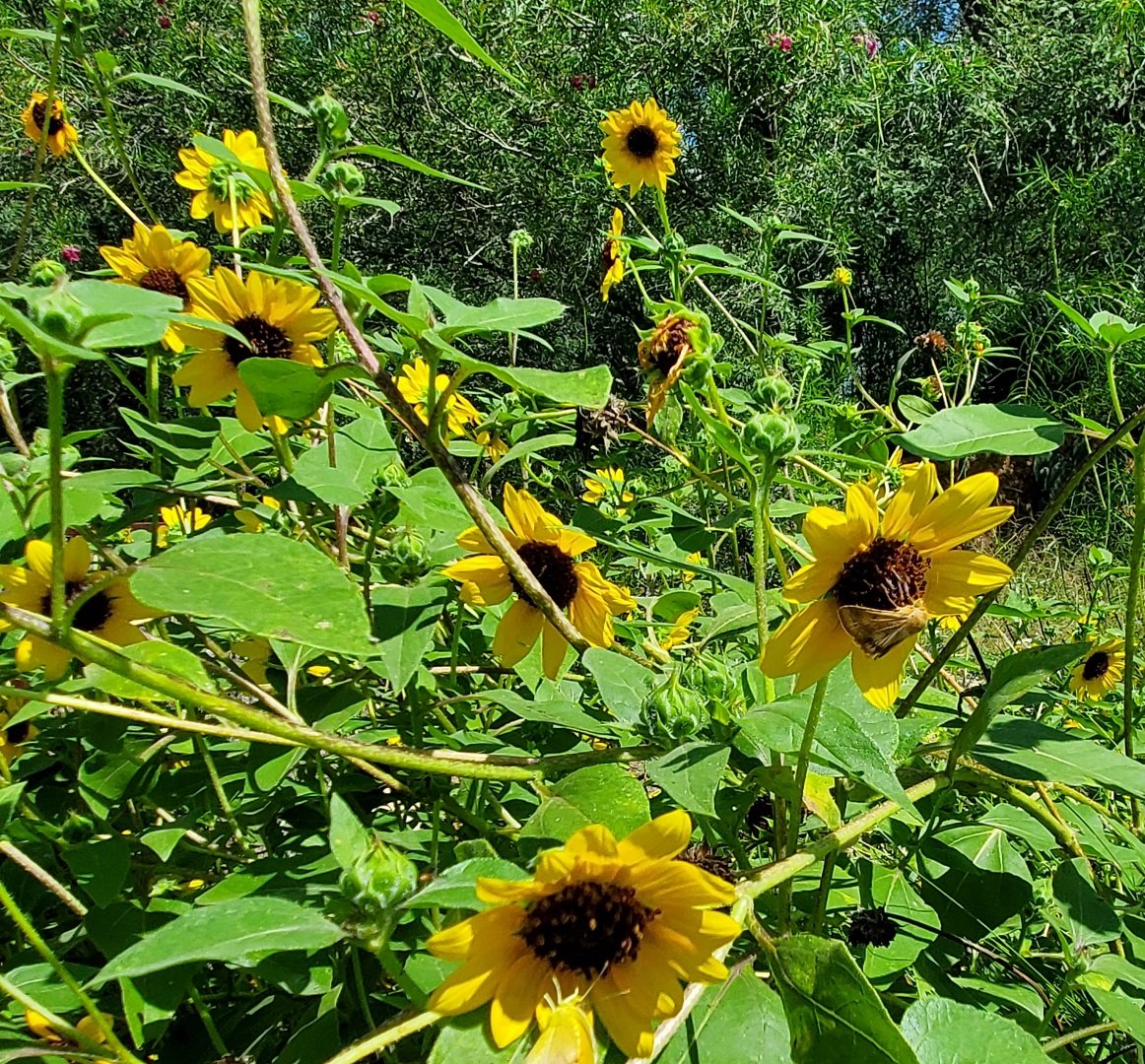
• Globemallow (Sphaeralcea ambigua) A rugged desert native with soft orange blooms and excellent drought tolerance.


By choosing plants that bloom at different times of the year, you can provide a continuous source of nectar and create a welcoming habitat for hummingbirds throughout the seasons. Even in the desert, a thoughtfully planted garden can become a reliable refuge for these amazing birds.

If you live in Southern California, take a look at this post I wrote a while ago about hummingbirds in a somewhat different climate. There I mentioned citrus outside my kitchen window. Here, in the Sonoran desert, I look out the kitchen window to a Mexican Yellow Oleander (Cascabela thevetia, formerly Thevetia peruviana.) which the hummingbirds love, but every part of this plant in poisonous for humans. A previous resident planted it not realizing how dangerous it is. Even cutting it back and/or removing it has risks! (The lemon tree I saw from my window in California was a much much better choice!)

As the heat comes upon us, make sure your plants get watered regularly, but do NOT feed them to try to make them bloom or grow. Just a little bit of food to keep them alive until the weather cools. They are now going into summer hibernation and will wake up in the Fall.

And, finally, if you decide to install a hummingbird feeder, be aware that you should clean it EVERY DAY! Hummingbirds clustering at feeders spread diseases.

subscribe to free Hot Gardens newsletter


Hot Days, White Nights: How to Design a Moon Garden

When the desert mercury climbs, our relationship with our gardens shifts. We retreat indoors during the sizzling daylight hours, only to emerge when the air finally begins to cool after dusk. This shift is the perfect reason to design a Night Garden—a landscape specifically engineered to shimmer in moonlight.

A Quick Reality Check: While we’re dreaming of moonlit blossoms, remember the Hot Gardens golden rule: Plant in the Fall or early Spring. Once the temperature rises, new plants struggle to survive.

Here is your guide to the best white-blossomed, silver-leaved, and scent-heavy plants for a desert sanctuary. And as a bonus, learn which wildlife visitors your garden may have at night.


The Luminous Anchors: Trees & Shrubs

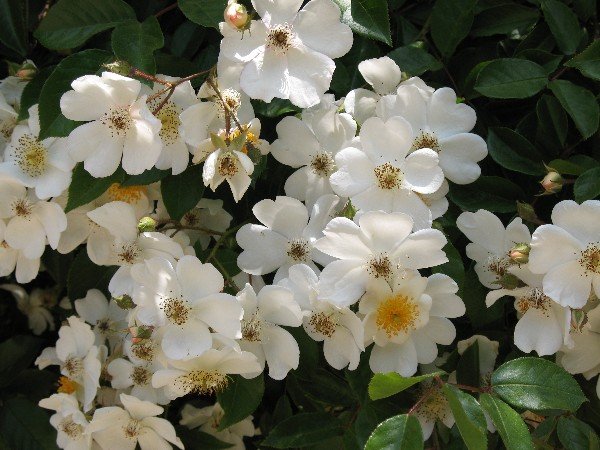
  • White Roses: Opt for white or pale yellow varieties. They offer a shimmering beauty and a classic fragrance that hangs perfectly in the balmy night air.
white rose
  • White Oleander (Nerium oleander): A rugged, water-wise alternative to roses. Beyond its months-long bloom cycle, it is fire-retardant—a vital feature if you live in high-risk wildfire zones. (Pro-tip: Always maintain a 100-foot defensible perimeter of cleared brush around your home)
  • Texas Olive (Cordia boissieri): Not a true olive, but a tough native shrub that starts its show in late Spring and often provides a “bonus” bloom in Autumn.
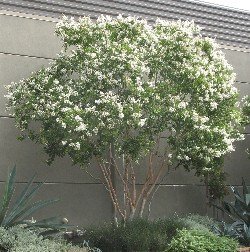
White Crape Myrtle

White Yarrow (Achillea millefolium): A sturdy native that requires almost no water once established—perfect for the “lazy” summer gardener.

White Crape Myrtle (Lagerstroemia indica), left: In our alkaline desert soils, these are slow growers (topping out at 15–20 feet). Help them thrive by adding plenty of organic mulch to provide the acidity they crave.


Night-Scented Sensations

  • Evening Primrose (Oenothera caespitosa): Don’t confuse this with the invasive pink variety. This native white version blooms specifically at night and smells incredible. It grows in a mounded shape.
  • Moonflower (Ipomoea alba): A nocturnal cousin to the Morning Glory. Its massive white flowers unfurl at sunset like nature’s own lightbulbs. (Be careful that you do not buy Jimson Weed also known as Datura. It has large flowers that look like morning glory, but is poisonous and not suitable for gardens.)
  • White Jasmine & Hall’s Honeysuckle: These climbers are fragrance powerhouses. Honeysuckle pulls double duty, attracting bees by day and perfuming your patio by night.
  • Nicotiana alata: The wild species is the most fragrant, but the ‘Domino’ variety is much better at standing up to our intense desert heat.

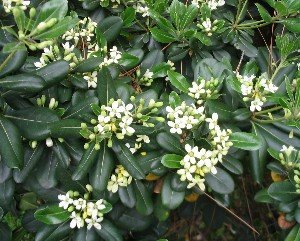
Pittosporum tobira: A sweet-smelling flowering shrub also called by the name mock orange. As a tree form it reaches 15 to 20 feet in height. It also comes with variegated leaves to add to nighttime luster.


Texture & Reflection: Silver Foliage

  • Lamb’s Ears (Stachys byzantina): The soft, fuzzy, silver-grey leaves act like a mirror for moonlight, creating a velvet-like carpet on the garden floor.
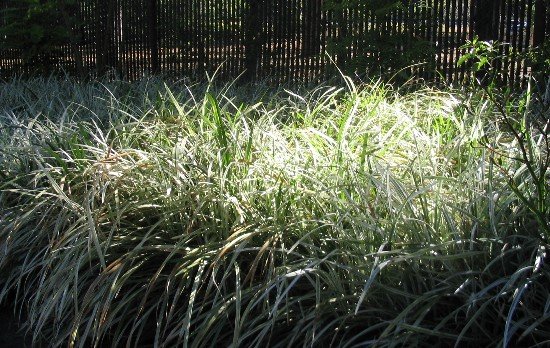
  • Variegated Turf Lily (Liriope muscari ‘Silvery Sunproof’): A durable groundcover with striped leaves that catch the light, finished with delicate summer blooms.
Variegated lirope turf lily

The Secret Sauce: White & Pale Yellow

When wandering your local nursery, keep one rule in mind: If it’s white or pale yellow, it belongs. These shades reflect the shortest wavelengths of light, meaning they will “glow” long after the sun sets, while reds and purples disappear into the shadows.


Great travels jobs for seniors ebook

The “Night Shift” Pollinators

While you’re enjoying the cooler air, your garden is hard at work. By planting white, fragrant, and night-blooming species, you are creating a vital pit stop for the desert’s nocturnal ecosystem.

  • Sphinx Moths: Often mistaken for hummingbirds due to their size and hovering ability, these moths are the primary fans of Moonflowers and Evening Primrose. Their long proboscises are perfectly evolved to reach deep into tubular white blooms.
  • Nectar-Eating Bats: In the Southwest, lesser long-nosed bats and Mexican long-tongued bats are crucial pollinators. They are drawn to the pale, sturdy flowers of the Texas Olive and native cacti.
  • Nocturnal Bees & Beetles: Many smaller desert residents rely on the highly visible “landing pads” of White Yarrow and Dwarf Cup Flower to find food in the dark.
subscribe to free Hot Gardens newsletter


Visit my author’s site to see books I’ve written and
read a chapter of a children’s book for free


How to make wildlife happy in your garden

You’re probably happy with your gardening efforts — with good reason. After all, you…
– planted a tree on the south or west side of your home to cool it
removed your front lawn…and perhaps kept some grass in the backyard for a children’s play area
– even added one (or more) shrubs along that concrete block wall to minimize the heat.

So congratulations!

But this post is about why you should take a second look and see your garden through the eyes of a hummingbird, lizard, butterfly, quail, ground squirrel, or other wild creature that may live in your area. (But not javelinas or bears. They are clearly not animals you want to encourage.)

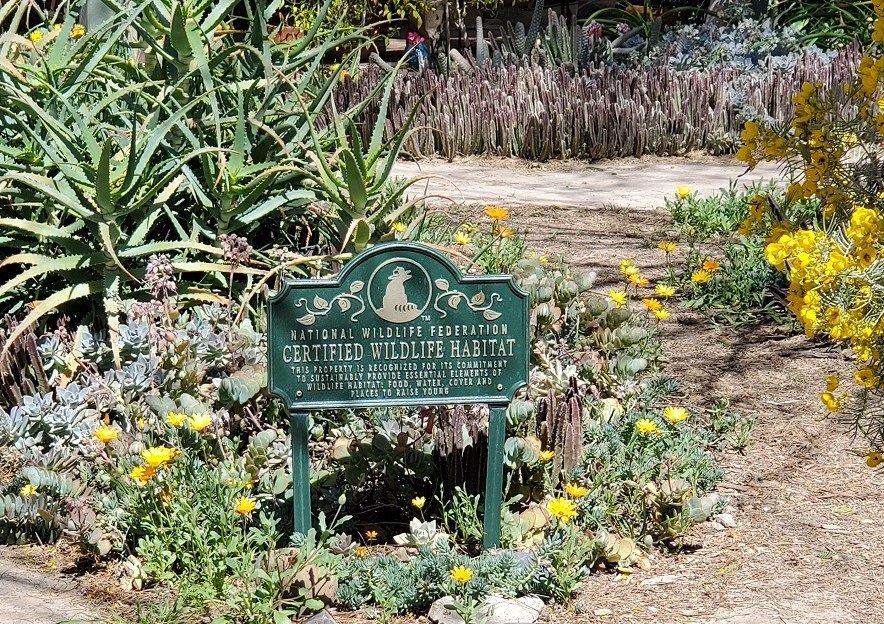
You may even want to re-think your garden as a haven–a kind of “happy place”–for wild creatures in your neighborhood and, thus, deserving of being a Certified Wildlife Habitat. Complete with an official metal plaque you can order and post in your front yard.

The National Wildlife Federation (NWF) and the Arizona Wildlife Federation set standards for having a Certified Wildlife Habitat and the official plaques come from them. They state that in order to be Certified a garden should provide wildlife with food, water, cover from predators, shelter for raising the young, PLUS do all this sustainably.

Start with food for wild creatures

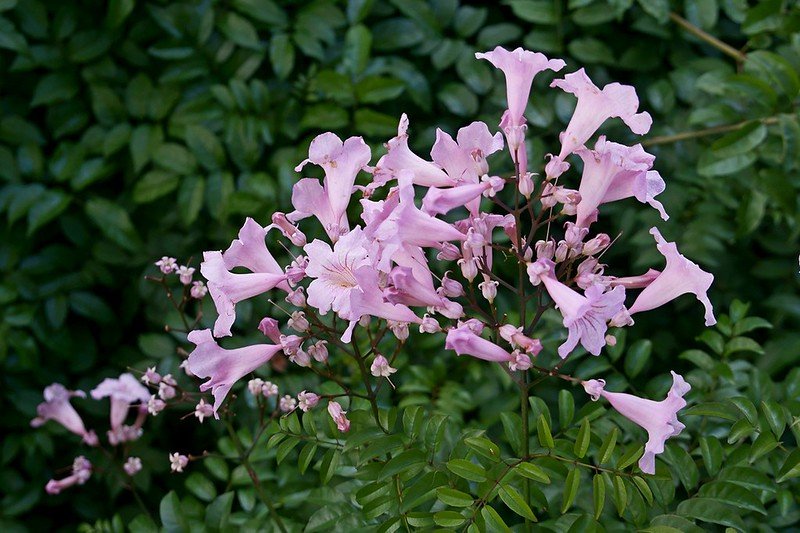
For wildlife food the NWF suggests that you plant natives with colorful flowers and lots of seeds. It’s not necessary, however, to install only native plants because natives often bloom all at once. Other drought-tolerant plants that bloom and produce nectar or seeds at different months during the year can be suitable additions to your wildlife-friendly habitat. For example, you could plant South African natives Pink Trumpet Vine (Podranea ricasoliana) or Cape Honeysuckle (Tecoma capensis) for summer nectar for bees and birds. Humingbird and birdseed feeders can also be good additions to your backyard.

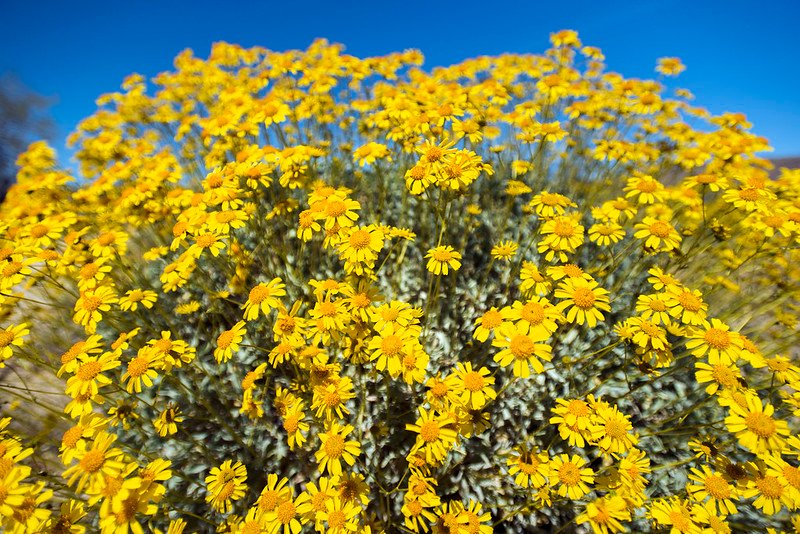
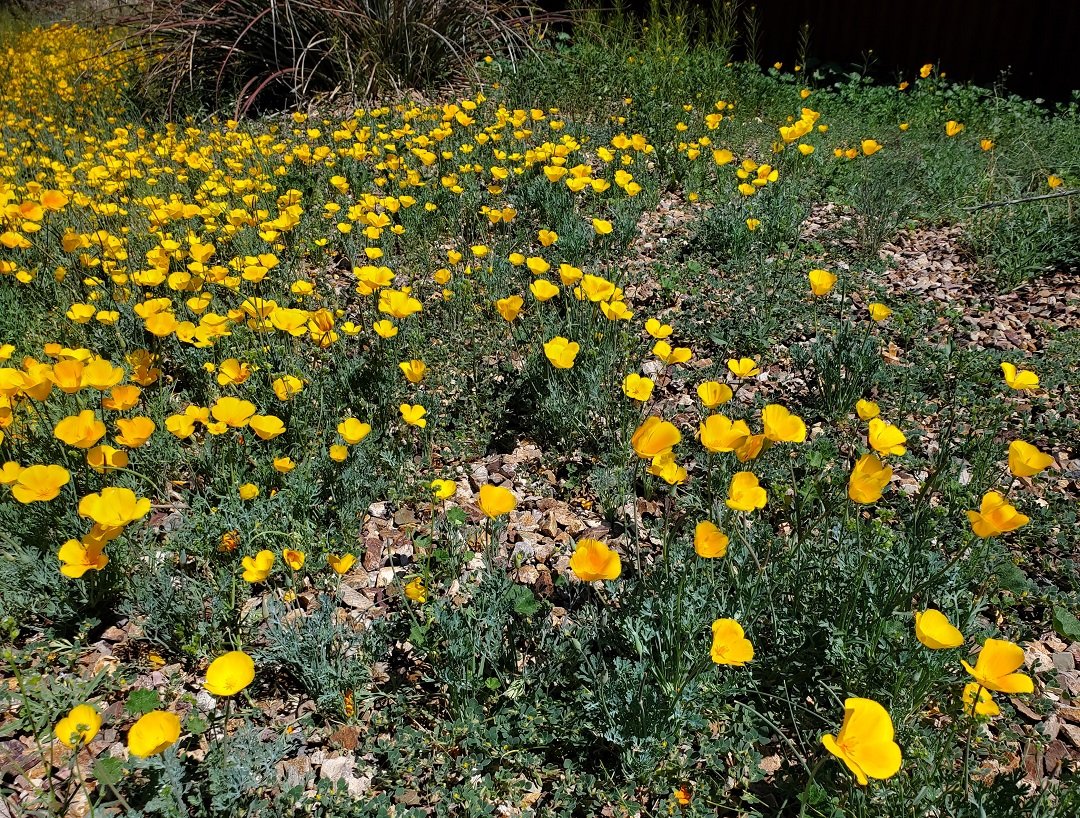
Then next to those vines, for example, plant a desert native Brittlebush (Encelia farinosa) and Mexican Gold Poppies (Escholtzia mexicana) to produce seeds. (Click below to see images of each.)

  • Pink Trumpet Vine Podranea ricasoliana
  • Capoe Honeysuckele
  • Mexican poppies in Tucson

Daily water is a must-have

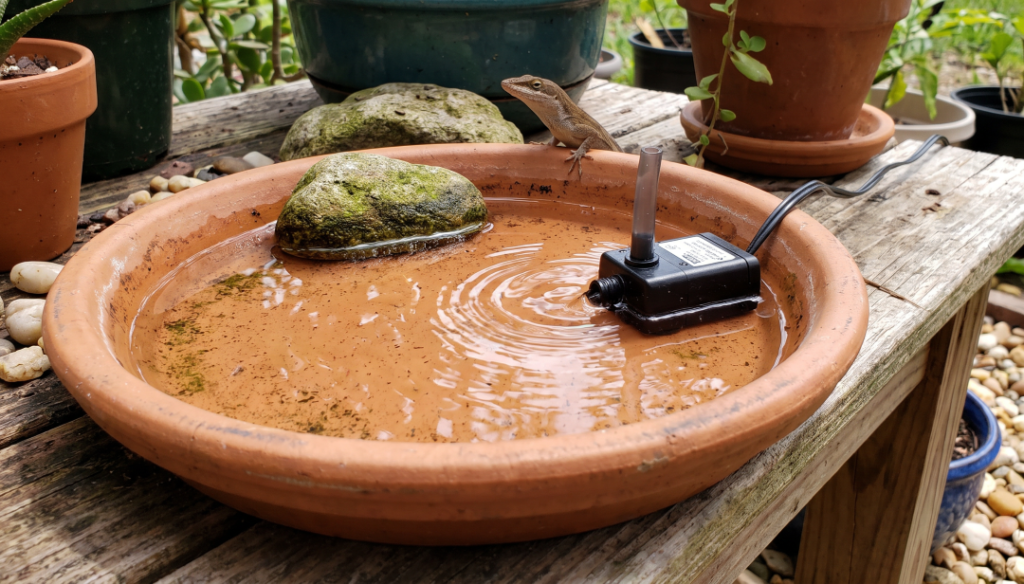
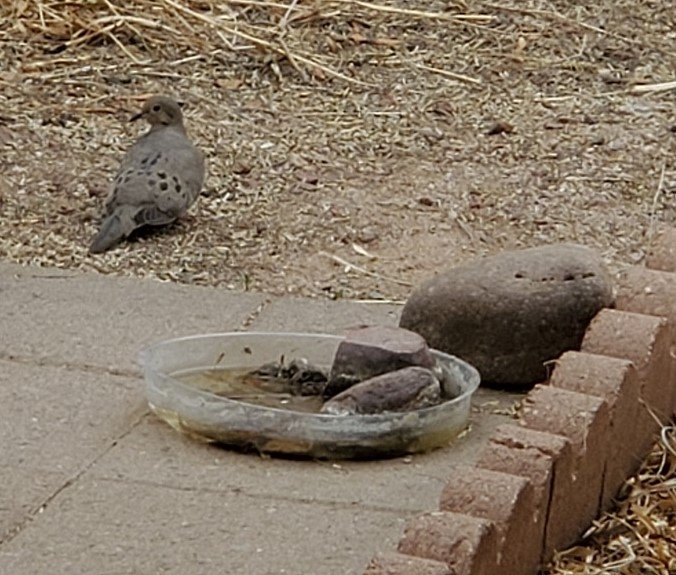
To provide water, small shallow plant saucers or bowls are your best bet. Backyard fountains look glorious, but given the water problems–and potential water rationing–in the American Southwest, fountains should be disconnected and turned into planters.

Add a few small stones to the plant saucer to help smaller creatures, such as little lizards or little birds, drink comfortably from this water source.


Great travels jobs for seniors ebook

Hidden from danger

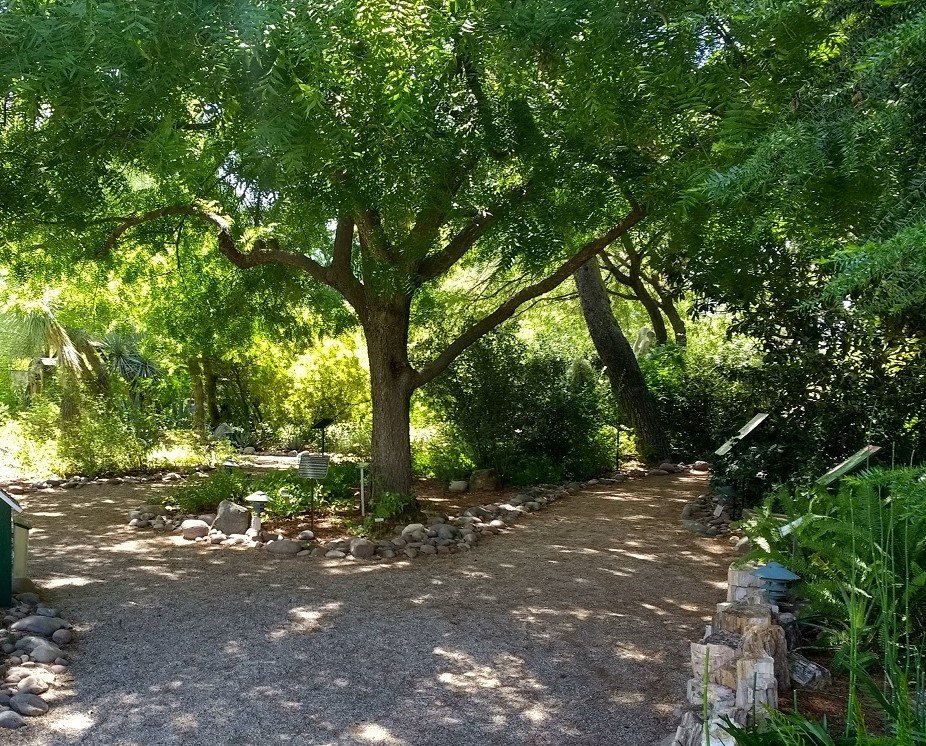
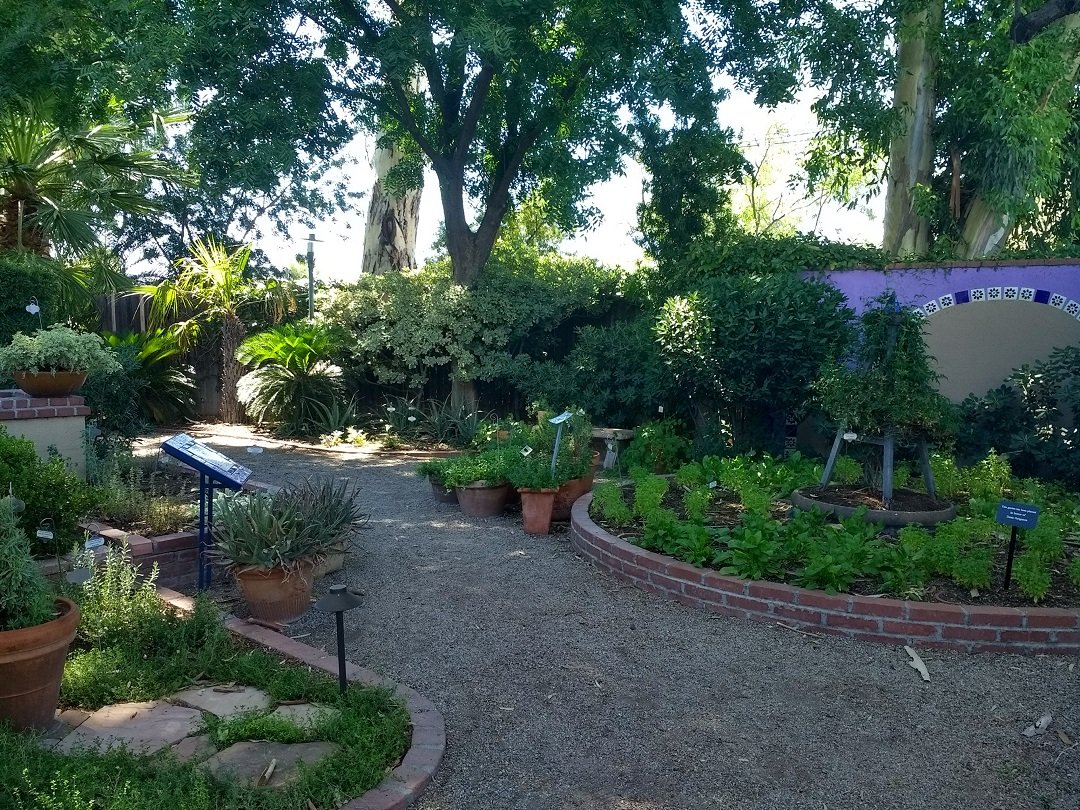
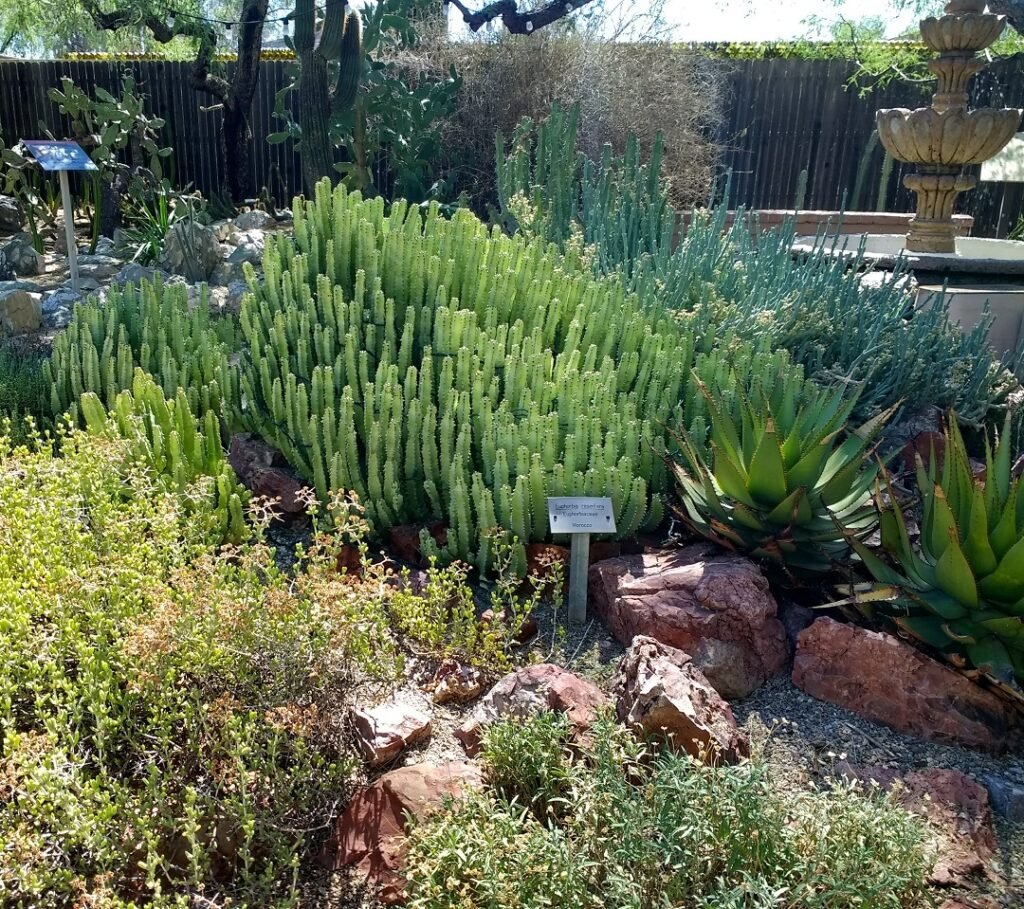
Like humans, wildlife wants shelter from predators and shelter to raise young. These can be identical. Trees and shrubs–from short to tall–are excellent hiding places and nesting sites for birds, as well as havens for insects and lizards. These two photos, taken at the Tucson Botanical Garden, demonstrate wildlife-friendly gardening with shrubs at various heights combined with tall trees. There are also hiding places between the pots shown in the second photo.

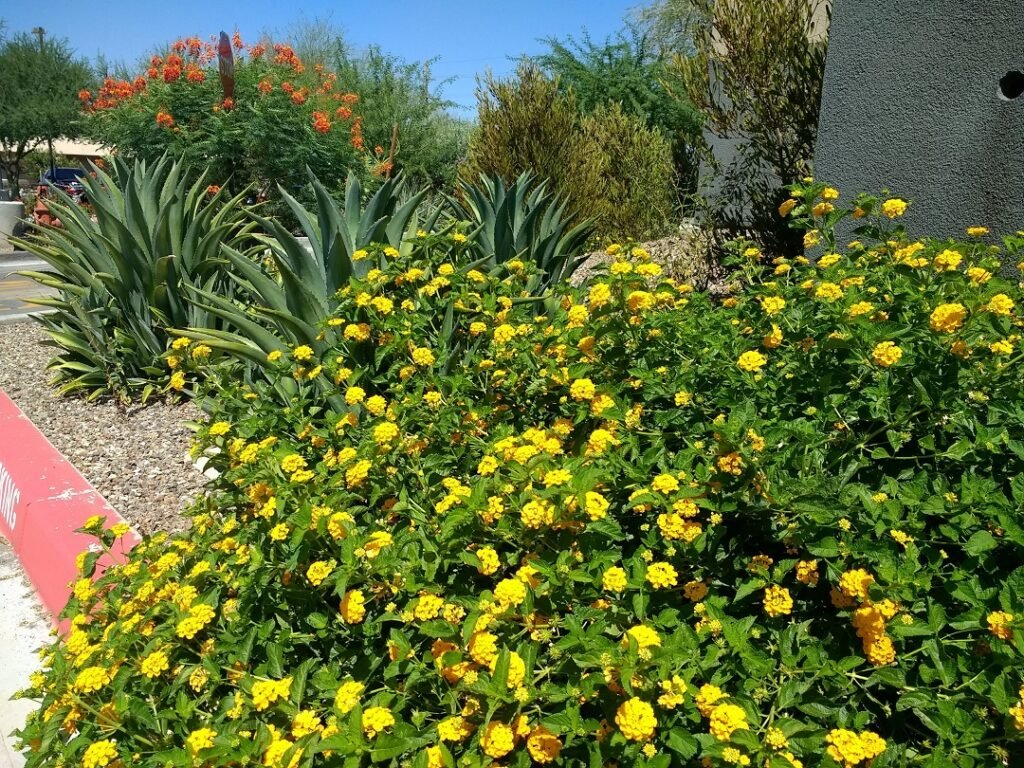
What you don’t see in these photos are wide stretches of rock mulch with one or two plants. In a good wildlife garden at ground level, attractive ground covers, like cacti and succulents as well as Lantana montvidensis, hide small creatures from predators. Lantana is also a good food source for bees. (In the first photo a fountain appears in the back right side, but we do not recommend adding fountains these days!)

  • lantana montevidensis yellow blooms

Now, the last requirement for Certification as a Wildlife Habitat is that the garden is sustainable. You probably already do much of this: minimize or eliminate lawns, harvest water, avoid pesticides, use natural mulch, and use only drip irrigation.

Do all this and you, too, can have a Certified Wildlife Habitat. You can take the first step here.

While this post is primarily written for gardeners in the arid U.S. Southwest, these standards for a wildlife-friendly garden apply worldwide including Australia, the U.K., Cyprus, and Middle East where many Hot Gardens subscribers live. And where many native creatures are now struggling to survive due to climate change.


Read our 8 most popular newsletters

  1. Hot Days, White Nights, How Design a Moon Garden
  2. Australian Plants for a Desert Garden
  3. Cover up that naked wall
  4. Best and beautiful native shrubs for extreme heat
  5. Five fragrant plants for your garden
  6. Where to get free or cheap trees for your garden
  7. Four desert trees good for soil, 4 toxic ones
  8. Plants that bloom even in mid-summer scorching heat

subscribe to free Hot Gardens newsletter